
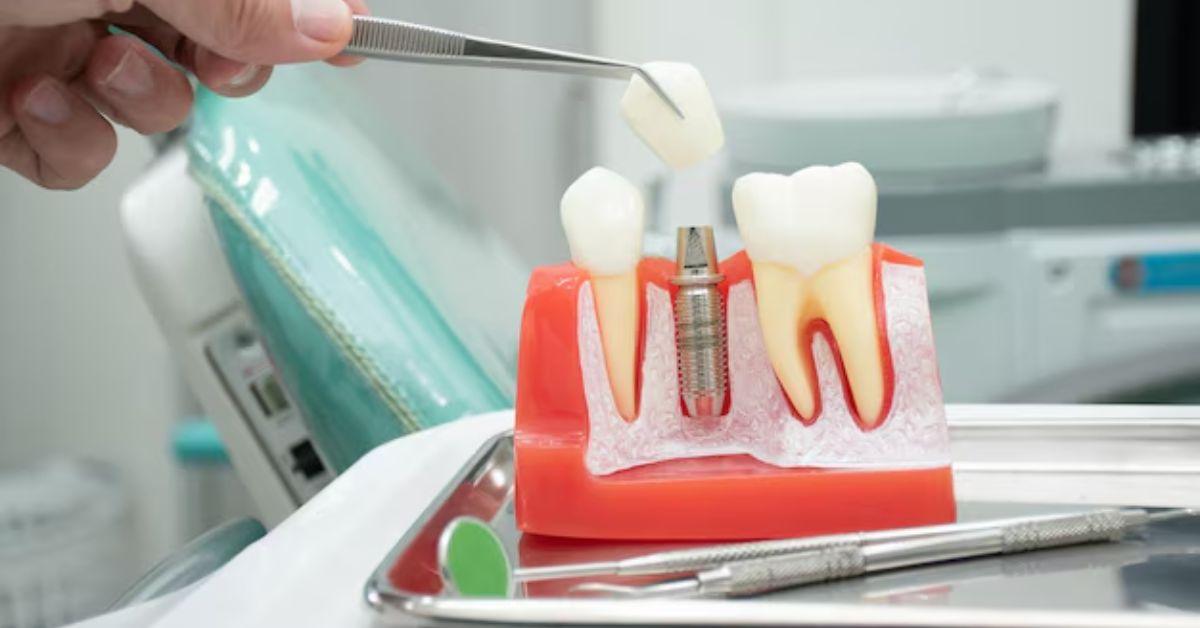
Dental crowns are often discussed in terms of a general lifespan of ten to fifteen years. That is a reasonable average but it is not the ceiling. A premium crown, fitted with precision and maintained well, can last significantly longer. Twenty years is achievable, and in some cases, crowns have remained functional and structurally sound for far longer than that.
Understanding what makes the difference between a crown that lasts a decade and one that lasts two or more is worth knowing particularly when you are deciding whether to invest in a higher-quality restoration.
At Wainui Dental in Wainuiomata, each crown is individually handcrafted by the clinic’s dental technician to ensure a precise fit and natural appearance that functions correctly within your existing bite.
What Determines How Long a Crown Lasts?
Crown longevity is shaped by a combination of factors, some within your control, some dependent on the quality of the restoration itself, and some simply related to the position of the tooth. Understanding each helps clarify what a premium approach actually delivers.
1. Precision of the Fit at the Margin
The margin, the boundary where the crown meets the natural tooth at or just below the gum line is one of the most critical determinants of long-term crown success. A well-sealed margin prevents bacteria from accessing the natural tooth structure beneath the crown.
If the margin fit is imprecise even by a small amount bacteria can seep underneath over time, causing decay in the tooth beneath the crown. This is one of the most common causes of crown failure. A premium dental crown in Lower Hutt is fabricated to exacting tolerances to minimise this risk.
2. Material Quality
The material used for the crown affects both its durability and its ability to maintain a good marginal seal over time. Zirconia and high-quality all-ceramic materials are increasingly favoured for their combination of strength, stability, and biocompatibility. A crown made from inferior materials is more likely to microcrack, chip, or degrade at the margins over time.
3. Quality of the Preparation
The way the natural tooth is prepared before the crown is placed significantly affects how well the crown fits and how long it performs. The shape and smoothness of the preparation, the accuracy of the impressions or digital scans, and the design of the crown to accommodate the individual bite all contribute to longevity.
4. Bite Balance
A crown that is not properly balanced within the patient’s bite will bear uneven forces during chewing. Over time, this can cause micro-fractures, accelerated wear, or loosening. A carefully adjusted bite at fitting and regular monitoring at check-ups is essential to long-term performance.
5. Patient Maintenance
Even the highest-quality crown cannot last indefinitely without good oral hygiene. The natural tooth beneath is still vulnerable to decay, and the gum tissue around the crown needs to remain healthy. Consistent brushing, daily cleaning around the crown margins, and regular dental check-ups are non-negotiable if longevity is the goal.
6. Teeth Grinding
Bruxism teeth grinding or clenching, often during sleep, is one of the most significant threats to crown longevity. The forces generated during grinding far exceed those of normal chewing. A night guard, worn as recommended, provides a protective barrier and can dramatically extend the life of crowns and other restorations.
What Does a Premium Crown Look Like in Practice?
A premium crown is not simply a more expensive item. It represents a combination of high-grade materials, precision craftsmanship, accurate preparation, and careful fitting. At Wainui Dental, crowns are individually handcrafted by the clinic’s own dental technician not outsourced to a generic laboratory. This allows for a higher degree of quality control and customisation to the patient’s specific anatomy.
The two-appointment process preparation and fitting is carried out carefully, with detailed impressions taken and the fit, appearance, and bite checked thoroughly before the crown is permanently cemented.
The Financial Case for Investing in Quality
A higher-quality crown costs more upfront than a lower-grade alternative. But when viewed as a cost per year over its working life, the comparison often favours the premium option.
A crown that lasts twenty or more years at a higher initial cost will typically represent better overall value than a less expensive crown replaced after eight to ten years particularly when the cost and disruption of replacement treatment is factored in. There is also the consideration of the underlying tooth: every time a crown is replaced, the preparation process removes a small additional amount of tooth structure. Minimising replacements preserves more of the natural tooth over a lifetime.
Dental Crowns at Wainui Dental, Wainuiomata
At Wainui Dental, each crown is crafted by a skilled in-house dental technician to the individual patient’s specifications. The team takes the time to ensure the preparation, impression, and fitting are done with care, and that the crown functions correctly within the patient’s bite before being permanently cemented.
The clinic is located at 10B The Strand, Wainuiomata, Lower Hutt, and welcomes patients from across the best dentist in Lower Hutt area. If you have a tooth that needs a crown and would like to understand your options, a consultation is the best first step.

Frequently Asked Questions
What is the realistic maximum lifespan of a dental crown?
While ten to fifteen years is often cited as an average, there are well-documented cases of crowns lasting twenty-five to thirty years or more when conditions are favourable: excellent oral hygiene, a well-balanced bite, no grinding, quality materials, and precise craftsmanship. The range is wide because so many variables are involved. A realistic expectation for a premium crown with good care is fifteen to twenty-plus years.
How do I know if my crown needs replacing?
Signs that a crown may need attention include sensitivity or pain around the crowned tooth, a visible gap or dark line at the margin, the crown feeling loose or shifting when you bite, and unusual taste or smell in the area. Regular check-ups allow your dental team to monitor the crown’s condition and identify any issues before they escalate. Not all issues are visible or felt X-rays can reveal decay beneath the crown that is not yet symptomatic.
Does the brand of the crown material matter?
The quality of the material does matter both in terms of the grade of the ceramic or zirconia used and the quality of the laboratory fabricating the crown. At Wainui Dental, crowns are handcrafted in-house by the clinic’s own dental technician, ensuring a level of quality control and attention to fit that can be more difficult to guarantee with outsourced fabrication.
Can I make my current crown last longer?
Yes consistent oral hygiene, gentle cleaning around the crown margins, wearing a night guard if you grind your teeth, and attending regular check-ups all contribute significantly to crown longevity. Avoiding habits that place excessive stress on dental crowns such as biting directly on ice, hard sweets, or using teeth as tools also helps protect restorations over the long term.
Conclusion
A twenty-year crown is not a guarantee, but it is a realistic outcome when the right materials, skilled craftsmanship, and consistent maintenance come together. Understanding what drives crown longevity helps you make a more informed decision about where to invest in your dental care.
If you have a tooth that needs a crown and you are based in Wainuiomata or the wider Lower Hutt area, the team at Wainui Dental is available to help you understand your options and what to expect from your restoration.
Source Urls:
- https://my.clevelandclinic.org/health/treatments/10923-dental-crowns
- https://www.colgate.com/en-us/oral-health/bridges-and-crowns/what-are-dental-crowns-and-tooth-bridges
- https://www.healthdirect.gov.au/dental-crown-procedure
- https://www.fda.gov/medical-devices/dental-devices/dental-implants-what-you-should-know

Wainui Dental Clinic has been caring for smiles across the Lower Hutt community with a commitment to quality and personalised treatment. From general dentistry to oral surgery, our dentist in Lower Hutt team uses modern technology to deliver comfortable, patient-centred care. We are passionate about ongoing professional development to ensure every patient receives the best dental experience possible.