
treatment-wisdomteeth

Wisdom teeth pain?

Adults have up to 32 teeth, of which four are wisdom teeth and these are the last to come through the gums. Wisdom teeth are the ones right at the back of the mouth and usually appear between the ages of 17 and 25 although sometimes they can appear in later years.

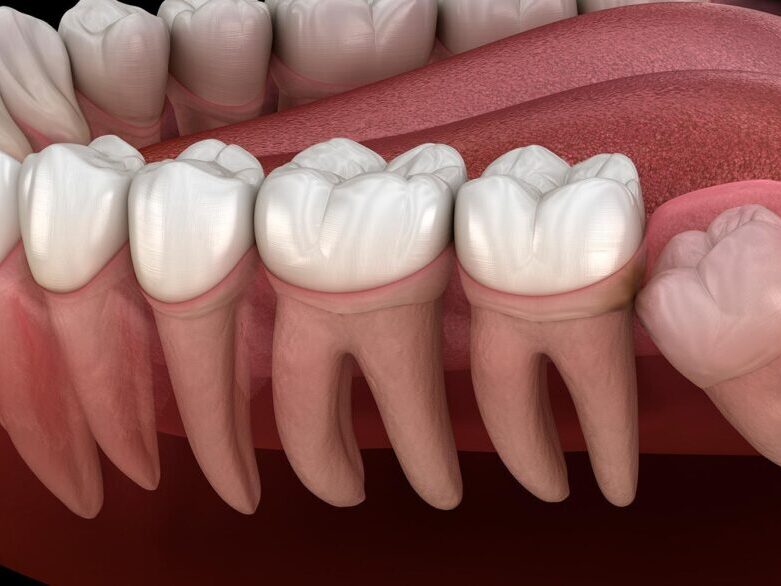
If there is enough room in the mouth the wisdom teeth will come through (erupt) in a useful position and there will only be minor discomfort as they erupt. However, wisdom teeth can cause problems if there is not enough room in the mouth. This is very common these days. The tooth could erupt at an angle and gets stuck against the tooth in front or jawbone behind it; the dentist will describe this as ‘Impacted’.

The dentist will be able to assess whether there is sufficient room for the teeth to come through by taking an x-ray which will show the position of the root. Once the x-rays have been taken, the dentist will be able to tell you if wisdom tooth removal will be beneficial to avoid complications and how easy or difficult it will be to remove the tooth.

The dentist will only recommend taking out wisdom teeth if:

  • The teeth are not able to fully erupt through the gum and are causing an infection in the surrounding tissue; this is known as Pericoronitis.
  • There is decay present – wisdom teeth will often decay as it is very difficult to clean them as thoroughly as your other teeth.

Following the removal of wisdom teeth, there is likely to be some discomfort. However, this will vary depending on how difficult it was to remove the tooth; it is not uncommon to experience some minor swelling for a few days. The dentist will advise on how best to reduce this discomfort and may recommend pain killers such as Paracetamol or Ibuprofen. A further dental appointment which is usually free of charge is common for the dentist to check the healing process and remove any stitches.

Benefits of Wisdom Teeth Removal

Helps treat and prevent infection

An impacted wisdom tooth that cannot fully erupt can allow infection to develop in the surrounding gum tissue, known as pericoronitis. Removing the tooth can help treat existing infection and reduce the likelihood of it recurring.

May help protect neighbouring teeth

An impacted wisdom tooth can sometimes place pressure on the tooth in front of it. Removal may help reduce the risk of this affecting the position or health of the neighbouring tooth, depending on individual circumstances.

Supported by clinical assessment

Removal is only recommended following an examination and x-ray, so any decision is based on your specific tooth position and circumstances, not a routine or automatic approach.

Can relieve pain and discomfort from an impacted tooth

When a wisdom tooth is impacted or unable to fully erupt, it can cause ongoing pain or discomfort. Removal addresses the source of this issue rather than only managing symptoms.

Reduces the risk of decay in hard-to-reachteeth

Because wisdom teeth are positioned at the back of the mouth, they can be difficult to clean thoroughly, which increases the risk of decay. Removal can eliminate this ongoing risk for the affected tooth.

Frequently Asked Questions

Common signs include pain at the back of the jaw, swelling, or discomfort when opening your mouth. However, wisdom teeth can also cause problems without obvious symptoms, which is why an x-ray is used to assess their position. If you’re in Lower Hutt and concerned about your wisdom teeth, the team at Wainui Dental can arrange an assessment.

Wisdom teeth typically start to come through between the ages of 17 and 25, though this can vary and they can sometimes appear later in life. Not everyone develops problems with their wisdom teeth, and some people never need them removed.

An impacted wisdom tooth is one that doesn’t have enough room to come through in a useful position, and instead becomes stuck against the tooth in front or the jawbone behind it. Your dentist in Lower Hutt can confirm this using an x-ray, which shows the position of the tooth and its roots.

The procedure itself is carried out under local anaesthetic, or another form of anaesthesia if recommended for your situation. Some discomfort and minor swelling is common for a few days afterwards, and your dentist at Wainui Dental can advise on pain relief options such as paracetamol or ibuprofen.

Recovery time varies depending on how difficult the tooth was to remove and individual healing. Most people experience some swelling or discomfort for a few days. Your dentist at Wainui Dental will advise on aftercare and what to expect based on your specific procedure.

Not necessarily. Some people only need one or two wisdom teeth removed if only those are causing problems, while others may be advised to have all four removed. This depends on the position and condition of each tooth, as assessed by your dentist.

No. If a wisdom tooth has enough room to come through in a useful position and isn’t causing decay or infection, it may not need to be removed. Your dentist will only recommend removal where there’s a clinical reason to do so, such as infection, decay, or impaction.

A follow-up appointment is common practice at Wainui Dental to check the healing process and remove any stitches if needed. Your dentist will let you know what follow-up care is recommended for your specific procedure.

Leaving a problematic wisdom tooth untreated can allow infection or decay to continue or worsen over time, and may affect neighbouring teeth in some cases. Your dentist in Lower Hutt can advise on the risks specific to your situation and whether removal is recommended.

Wainui Dental, located in Lower Hutt, offers assessment and removal of wisdom teeth as part of our general dentistry services. Your dentist will examine your teeth and take an x-ray to determine whether removal is appropriate before any treatment goes ahead.

Hey, get in touch!

For more information or to book your appointment.