

If you’ve recently been told you may need wisdom teeth removal, you’re not alone. Many adults in their late teens and twenties discover that their wisdom teeth haven’t come through properly. This is one of the most common dental concerns people face, and understanding why it happens can help you feel more confident about what comes next.
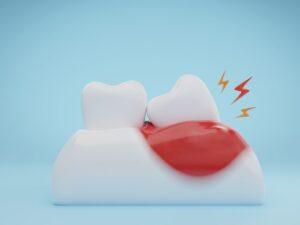
Wisdom teeth, also known as third molars, are the last teeth to develop. By the time they’re ready to emerge, there’s often simply not enough room in the jaw. This can lead to a condition called impaction, where the tooth becomes stuck against the bone, gum tissue, or another tooth.
In this article, we’ll explain what causes impacted wisdom teeth, the signs to watch for, and what your options might look like. Treatment outcomes vary depending on individual circumstances, so a personalised assessment is always the best starting point.
What Are Wisdom Teeth?
Wisdom teeth are the third and final set of molars, usually appearing at the very back of the mouth. They typically begin to emerge between the ages of 17 and 25, although timing can vary widely from person to person.
Most people have four wisdom teeth, one in each corner of the jaw. Some people, however, may have fewer, or none at all. This is a normal genetic variation and nothing to be concerned about on its own. For those living locally, understanding when wisdom teeth removal in Lower Hutt may become necessary can help you feel more prepared if issues arise.
Because wisdom teeth arrive after all the other adult teeth are already in place, the jaw has often finished growing by the time they try to come through. This timing mismatch is one of the main reasons impaction occurs.
What Does “Impacted” Actually Mean?
A tooth is considered impacted when it doesn’t have enough space to emerge fully or grow into a normal, functional position. Instead of breaking through the gum cleanly, the tooth may become angled, partially trapped, or completely buried beneath the gum and bone.
There are several types of impaction:
Mesial impaction happens when the wisdom tooth is angled forward, pressing against the molar in front of it.
Vertical impaction occurs when the tooth is upright but still unable to fully emerge due to lack of space.
Horizontal impaction is when the tooth lies on its side, often pressing directly into the neighbouring tooth’s roots.
Distal impaction is less common and involves the tooth angling backward, away from the other teeth.
The type and direction of impaction can affect symptoms and may influence the approach a dentist recommends.
Common Causes of Impacted Wisdom Teeth
Insufficient Jaw Space
The most frequent cause of impaction is simply a lack of room. Modern diets and jaw development patterns mean many people’s jaws are smaller than those of earlier generations, while tooth size has remained largely the same. This mismatch leaves little to no space for the third molars.
Late Eruption Timing
By the time wisdom teeth attempt to emerge, the surrounding teeth and bone structure are already established. The wisdom tooth essentially has to “fit in” around teeth that are already settled, which can cause it to become wedged or misdirected.
Tooth Angle and Position During Development
Sometimes the wisdom tooth itself develops at an unusual angle within the jawbone from an early stage. As it tries to move into position, this angle can direct it sideways or backward instead of straight up, leading to impaction.
Genetics
Jaw size, tooth size, and dental arch shape are all influenced by genetics. If your parents or siblings had impacted wisdom teeth, there may be a higher likelihood that you will too, although this isn’t guaranteed.
Soft Tissue or Bone Obstruction
In some cases, a layer of gum tissue or bone covers the wisdom tooth and prevents it from breaking through naturally. This is sometimes referred to as a “soft tissue impaction” and can still cause discomfort even if the tooth isn’t visibly affected.
Signs and Symptoms of Impacted Wisdom Teeth
Not everyone with impacted wisdom teeth experiences symptoms straight away. Some impactions are only discovered during a routine dental check-up and X-ray. However, common signs to watch for include:
- Pain or tenderness at the back of the jaw
- Swelling or redness around the gum near the back molars
- Difficulty opening the mouth fully
- Bad breath or an unpleasant taste, which can indicate infection around the gum flap
- Headaches or jaw aches, particularly near the ear
- Crowding or shifting of nearby teeth
If you notice any of these symptoms, it’s worth booking an appointment so the area can be properly assessed.
Why Impacted Wisdom Teeth May Need Attention
Impacted wisdom teeth don’t always cause immediate problems, but they can sometimes lead to complications over time. These may include:
Infection (pericoronitis): When a flap of gum tissue partially covers the tooth, food and bacteria can become trapped underneath, leading to inflammation and infection.
Damage to neighbouring teeth: A wisdom tooth pressing against the molar in front of it may, in some cases, contribute to decay or damage in that tooth.
Cysts or other changes: In rare instances, a fluid-filled sac can form around an impacted tooth, which may affect the surrounding bone if left unmonitored.
Crowding: Some people notice their front teeth becoming more crowded over time, although the exact relationship between wisdom teeth and crowding is still debated among dental professionals.
A dentist can monitor an impacted wisdom tooth over time and discuss whether removal or simply keeping an eye on it is the more suitable approach for your situation.
How Impacted Wisdom Teeth Are Diagnosed
Diagnosis usually begins with a visual examination and a discussion of any symptoms you’ve been experiencing. From there, dental X-rays, such as a panoramic X-ray (OPG), are often used to get a clear picture of how the wisdom teeth are positioned relative to the jawbone, nerves, and neighbouring teeth.
This imaging helps your dentist understand the type of impaction, how close the tooth is to important structures like nerves, and what treatment options may be appropriate. If you’re searching for a dentist in Lower Hutt for an assessment, this combination of examination and imaging is the standard first step. A personalised treatment plan can then be discussed during your consultation.
FAQs About Impacted Wisdom Teeth
At what age do wisdom teeth usually become impacted?
Wisdom teeth most commonly begin causing issues between the ages of 17 and 25, as this is when they typically try to emerge. However, some people may not experience symptoms until later in life, and impaction can sometimes only be identified through a dental X-ray during a routine check-up.
Can an impacted wisdom tooth fix itself over time?
An impacted wisdom tooth generally won’t correct its position on its own, since the surrounding teeth and bone are already established by the time it tries to emerge. In some cases, a tooth that isn’t causing symptoms may simply be monitored over time rather than treated immediately.
Does everyone with impacted wisdom teeth need them removed?
Not necessarily. Some impacted wisdom teeth cause no symptoms and may be left in place with regular monitoring. Others may need attention if they’re causing pain, infection, or affecting nearby teeth. This is best discussed with a dentist who can assess your individual situation.
Is wisdom teeth removal a complicated procedure?
The complexity can vary depending on the position, angle, and depth of the impacted tooth. Some procedures are relatively straightforward, while others, particularly for deeply impacted teeth, may require a more involved approach. Wisdom teeth removal is generally tailored to each person’s individual case rather than a one-size-fits-all procedure. Your dentist can explain what to expect based on your specific X-rays and assessment.
Conclusion
Impacted wisdom teeth are a common part of dental development for many adults, often caused by a simple lack of space in the jaw, late eruption timing, or the angle at which the tooth develops. While not every impacted wisdom tooth causes problems, keeping an eye on symptoms like pain, swelling, or jaw stiffness can help catch issues early.
If you’re noticing discomfort at the back of your mouth or haven’t had your wisdom teeth checked recently, the team at Wainui Dental can take a look and talk through what your X-rays show.
A personalised treatment plan can be discussed during your consultation, focused on your comfort and what’s right for your individual circumstances.

Wainui Dental Clinic has been caring for smiles across the Lower Hutt community with a commitment to quality and personalised treatment. From general dentistry to oral surgery, our dentist in Lower Hutt team uses modern technology to deliver comfortable, patient-centred care. We are passionate about ongoing professional development to ensure every patient receives the best dental experience possible.