
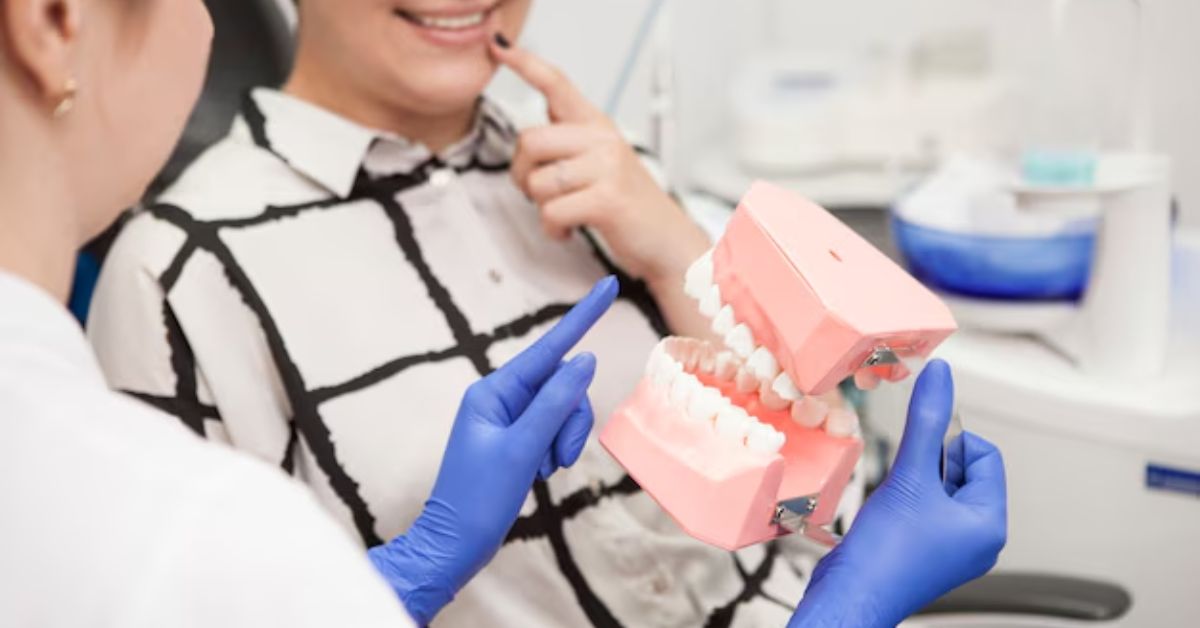
When a single tooth is missing, dental implants and dental bridges are the two most common fixed tooth replacement options. Both can produce natural-looking results. Both restore function. But they come with different upfront costs, different maintenance requirements, and very different trajectories once you look beyond the first appointment.
This guide provides an honest ten-year cost comparison, looking at what each option costs initially, what ongoing expenses are realistic, and how the total investment compares over time. The goal is to give you a clearer picture than the upfront figures alone can offer.
At Wainui Dental in Wainuiomata, both dental implants and dental bridges are available. Each bridge is individually handcrafted by the clinic’s dental technician, and implant restorations are completed using modern techniques designed to look and feel as close to natural teeth as possible.
Understanding Each Option
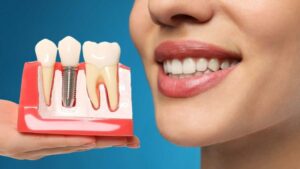
A dental bridge fills the gap left by a missing tooth by anchoring to adjacent teeth, which are shaped and fitted with crowns. The artificial tooth, called a pontic, sits between them. This option is completed in a short time and does not require surgery. In contrast, dental implants in Lower Hutt replace both the root and crown of a tooth.
A titanium post is placed into the jawbone and integrates through osseointegration before a crown is attached. Although the process takes longer, it preserves neighbouring teeth and provides a more stable, long-term solution.
The Upfront Costs
In the short term, a dental bridge is typically the more affordable option. Two appointments, no surgical procedure, and a lower initial invoice make it a practical choice for patients focused on minimising upfront cost and treatment time.
A dental implant involves a higher initial investment. The cost covers the surgical placement of the implant, the abutment component that connects the implant to the crown, and the fabrication of the crown itself. There is also the healing period between surgery and the final crown, which adds to the overall treatment timeline.
For many patients, this initial difference in cost is the deciding factor. That is an entirely reasonable position, and a bridge is a clinically sound option in the right circumstances. But the upfront figure is only part of the story.
What Happens in Years One to Ten
This is where the comparison becomes more nuanced, and where the true long-term cost picture begins to emerge.
In the first few years following treatment, both options typically require little beyond routine check-ups and good oral hygiene. A bridge does require more careful cleaning than a natural tooth or implant, particularly beneath the pontic where food and bacteria can accumulate. Floss threaders or interdental brushes are needed to clean under the bridge effectively, and neglecting this area increases the risk of decay developing at the margins of the abutment teeth.
Between years three and seven, the maintenance demands begin to diverge. A well-maintained implant with a sound crown generally requires little intervention beyond monitoring. A bridge, by contrast, carries a growing risk of complications, particularly if the abutment teeth develop decay beneath the crown margins or if gum recession exposes vulnerable tooth structure around the supporting teeth. These are not inevitable outcomes, but they are realistic ones that a ten-year comparison needs to account for.
Between years seven and ten, the risk profile of a conventional bridge increases further. Depending on the health of the abutment teeth and the quality of the original fit, a bridge may require adjustment, partial repair, or in some cases full replacement. If either supporting tooth develops a significant problem during this period, the implications extend beyond that tooth alone.
A well-maintained implant, by contrast, typically remains structurally sound over this period. The crown may need review at some point, but the implant itself is designed to last far longer than ten years.
The Hidden Cost of Altering Adjacent Teeth
One factor that is straightforward to overlook in a standard cost comparison is the long-term consequence of preparing healthy adjacent teeth to support a bridge.
Fitting a bridge requires removing enamel from the teeth on either side of the gap to accommodate the anchor crowns. This process is irreversible. Those teeth are now crowned teeth for life, and crowned teeth carry their own long-term maintenance considerations, including the risk of decay beneath crown margins, the possibility of root canal treatment if the tooth is affected, and eventual crown replacement.
Over a ten or twenty year period, the cumulative dental costs associated with two permanently altered teeth can be substantial. In many cases, the total expenditure on those abutment teeth over time exceeds the initial saving that made the bridge appear more affordable at the outset.
A dental implant, by contrast, has no impact on adjacent teeth. The teeth on either side of the gap remain completely untouched and can continue to serve their natural function for decades.
Bone Health Over Time
Another long-term consideration that does not appear in a simple cost table is what happens to the jawbone beneath the gap.
When a tooth root is no longer present, the bone in that area no longer receives stimulation from chewing and begins to reduce in density and volume over time. A conventional bridge restores the visible tooth but does not address this process, because nothing is placed in the bone beneath the pontic.
A dental implant is placed directly into the jawbone and may help provide stimulation that supports bone maintenance in that area over time. Over the long term, this can help preserve the jaw structure and reduce the gradual changes to facial appearance that bone resorption can cause.
This is not a factor that shows up in a ten-year cost comparison in any direct financial sense, but it has real clinical significance that is worth including in the full picture.
When a Bridge Is the Right Choice
A bridge is often the more appropriate option in certain situations, especially when the adjacent teeth already require crowns, meaning no additional healthy structure is sacrificed. In such cases, a professional dentist in Lower Hutt can recommend a bridge as a simpler and more cost-effective solution.
It is also suitable when bone levels or other factors make implants more complex, or when quicker treatment is preferred.
Frequently Asked Questions
Does a dental bridge always need to be replaced after ten years?
Not necessarily. A well-made bridge that is properly maintained can last considerably longer than ten years in many cases. However, the risk of complications increases over time, particularly around the margins of the abutment teeth. Regular dental check-ups allow the condition of the bridge and the teeth supporting it to be monitored, and any developing issues to be identified and addressed early.
What happens if a tooth supporting a bridge develops decay?
If a natural tooth supporting a bridge develops significant decay or damage beneath the crown, it can affect the entire restoration. Depending on the extent of the problem, the tooth may require root canal treatment or, in more serious cases, extraction. If a supporting tooth is lost, the bridge typically cannot be retained and a new restoration becomes necessary. This is one of the key long-term risks of a conventional bridge that is not present with an implant.
Can a bridge be converted to an implant later?
In many cases an implant can be placed if a bridge fails and the patient wishes to change approach. Feasibility depends on the condition of the jawbone at that point, as bone loss may have occurred beneath the bridge pontics over time, potentially requiring grafting before an implant can be placed. It is worth discussing long-term plans with your dental team when making the initial decision between the two options.
Is an implant worth it for a back molar?
Back molars experience more chewing force than any other teeth in the mouth, which means the stability and integrity of the restoration matters significantly in that location. An implant can withstand those forces without placing stress on adjacent teeth, making it a clinically sound long-term option in that position. Your dental implant team will assess bone levels and feasibility for the specific site.
Conclusion
A ten-year cost comparison between dental implants and bridges does not produce a simple winner. The right answer depends on your clinical situation, the health of your adjacent teeth, your age, and your long-term dental goals. What it does clearly show is that the lower upfront cost of a bridge does not always translate into lower overall cost across a decade of use.
If you are in Wainuiomata or the wider Lower Hutt area and want a clear, personalised comparison for your specific situation, the team at Wainui Dental is available to help you work through the decision.