
You bite into an apple and feel an odd twinge where an old filling sits. Or you run your tongue over a back tooth and notice a rough edge that wasn’t there last year. Fillings do a lot of quiet work in your mouth every day, and like anything under constant pressure, they don’t last forever.
Knowing the early warning signs can save you from a bigger, more costly problem down the track. This guide walks through how long a dental filling in Lower Hutt typically lasts, the signs that yours might be wearing out, and when it’s time to book a check-up.
Most people don’t think about their fillings until something feels off, and that’s completely normal. The good news is that a failing filling is rarely an emergency if it’s caught early, it’s usually a straightforward fix.
At a Glance
- Fillings typically last 7–15 years depending on the material and location in the mouth
- Sensitivity to hot, cold, or sweet foods can signal a filling is breaking down
- Visible cracks, gaps, or a rough surface are signs it may need replacing
- Persistent pain or a filling that feels loose should be checked promptly
- Regular check-ups catch most filling problems before they become painful
How Long Do Dental Fillings Actually Last?
The exact lifespan depends on where the filling sits in your mouth. Fillings on chewing surfaces, especially back molars, face far more pressure than those on front teeth, so they naturally wear down faster. Grinding your teeth at night, a diet high in sugary or acidic foods, and general wear and tear can all shorten a filling’s working life over the years.
There’s no fixed expiry date stamped on a filling, which is exactly why regular dental check-ups matter. A dentist can spot early signs of wear on an x-ray or during a routine exam long before you’d notice anything yourself. Most dental fillings in Lower Hutt last somewhere between 7 and 15 years, though this varies by material and how much daily wear the tooth takes.
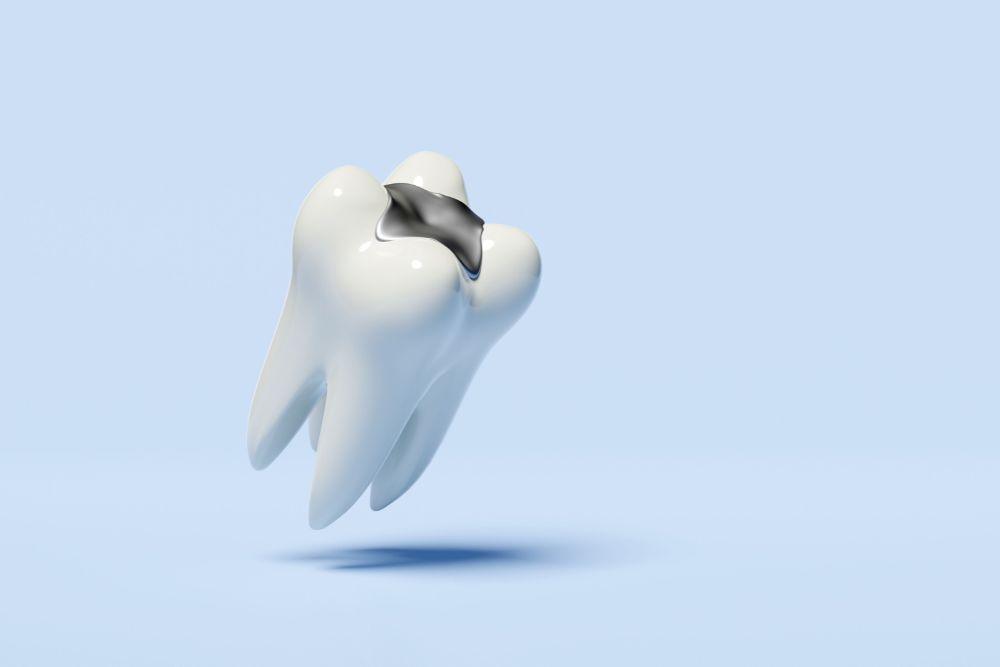
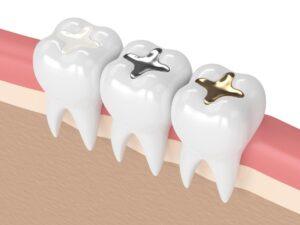
Amalgam (metal) fillings tend to be more durable, often lasting over a decade, while tooth-coloured composite fillings may need attention slightly sooner.
What Are the Warning Signs of a Failing Filling?
A failing filling usually shows itself through sensitivity, visible damage, or a change in how the tooth feels. These signs don’t always mean something serious is wrong, but they’re worth having checked rather than ignored.
Common signs to watch for include:
- Sensitivity to temperature, a sharp reaction to hot drinks or cold water that wasn’t there before
- Visible cracks or chips, small fractures in the filling material itself, sometimes visible in a mirror
- A rough or uneven surface, your tongue catches on the filling when you run it across the tooth
- Dark staining around the edges, a sign that bacteria may have found a way underneath
- Food getting trapped, a new gap between the filling and the tooth where food regularly gets stuck
- A dull ache or throbbing pain, this is more serious and shouldn’t wait for a routine appointment
If you notice more than one of these signs together, it’s a stronger indication the filling needs attention soon rather than later.
Why Do Old Fillings Fail Over Time?
Fillings fail because the material bonding them to your tooth naturally wears, contracts, and expands with everyday use, eventually creating tiny gaps where bacteria can enter. This process happens gradually, which is why many people don’t notice until the damage is already underway.
Every time you eat, chew, or drink something hot or cold, the filling material expands and contracts slightly. Over thousands of repetitions across many years, this can loosen the seal between the filling and the surrounding tooth. Once that seal weakens, decay can develop underneath the filling itself, sometimes without any visible sign on the surface.
This is one of the main reasons the team at Wainui Dental encourages patients not to wait until something hurts before booking a check-up. Scheduling regular check-ups with a dentist in Lower Hutt can help identify small cracks or issues before they progress into more severe decay, potentially resulting in a simpler and more comfortable treatment process.
How Do You Know When to See a Dentist for a Failing Filling?
You should see a dentist if you notice ongoing sensitivity, visible damage to a filling, or any change in how a filled tooth feels when you bite down. Waiting for pain to appear often means the decay has already progressed further than it needed to.
It helps to think of your fillings as something to check at every routine visit, not just when a problem shows up. A twice-yearly exam gives your dentist in Lower Hutt the chance to catch small issues on an x-ray, long before you’d feel anything unusual.
If a filling actually falls out or a large piece breaks away, treat it as something to get looked at sooner rather than later, since the exposed tooth structure underneath is more vulnerable to further damage in the meantime.
What Happens During a Filling Replacement?
Replacing an old filling is generally a routine, single-visit procedure that involves removing the worn material, checking for decay underneath, and placing a fresh filling. Most patients find it no more involved than having a filling placed for the first time.
The process typically follows these steps:
- The dentist numbs the area and removes the old filling material
- Any decay found underneath is carefully cleaned out
- The tooth is prepared and a new filling material is placed and shaped
- The bite is checked to make sure everything feels comfortable and even
Treatment outcomes vary depending on individual circumstances, and your dentist will talk you through the options available for your particular tooth during a personalised consultation. When it comes to dental restorations, fillings can be direct (placed and shaped in a single visit) or indirect (fabricated separately and then fitted), and the right approach depends on how much of the tooth structure needs to be restored.
How Can You Help Your Fillings Last Longer?
Good daily habits and regular check-ups are the two biggest factors in how long a filling lasts before it needs replacing. Neither takes much extra effort once it becomes part of your routine.
Brushing twice a day with a fluoride toothpaste and flossing daily helps keep bacteria away from the edges of a filling, where decay is most likely to sneak in first. If you grind your teeth at night, a custom mouthguard can take a lot of pressure off dental fillings on your back teeth, since grinding is one of the fastest ways to wear down or crack a restoration. Cutting back on very hard foods like ice or hard lollies also reduces the chance of a chip.
Frequently Asked Questions
How do I know if my dental filling needs replacing?
Look out for sensitivity to hot or cold, a rough or cracked surface, dark staining at the edges, or food getting caught in a new gap. If you notice any of these, it’s worth booking a check-up rather than waiting.
How long do dental fillings usually last?
Most fillings last between 7 and 15 years, though this depends on the material used and how much wear the tooth experiences day to day.
Is it painful to replace an old dental filling?
Replacing a filling is generally a comfortable, routine procedure, similar to having a filling placed for the first time. A personalised treatment plan can be discussed during your consultation.
Can a dental filling cause other problems if left untreated?
Yes, decay can develop underneath a failing filling without obvious surface signs, which is why routine dental check-ups are so important for catching issues early.
Do all old dental fillings need to be replaced eventually?
Not necessarily. Some fillings last many years without issue, especially with good oral hygiene. Regular exams are a reliable way to track how a filling is holding up over time.
Conclusion
A little awareness goes a long way when it comes to protecting your smile. Sensitivity, a rough edge, or a small gap around an old filling are all worth a proper look rather than a guess, and catching these signs early usually means a simpler, more comfortable fix. Fillings don’t come with a fixed expiry date, which is exactly why routine check-ups matter more than waiting for pain to show up.
If you’re due for a dental check-up, scheduling an appointment with a dentist in Lower Hutt is a simple and worthwhile step in looking after your oral health. At Wainui Dental, our team takes the time to listen to your concerns and explain your options clearly, whether you’re due for a routine exam or think an old filling might need a closer look.
Sources:
- Healthdirect Australia. (n.d.). Dental Fillings. Available at:
https://www.healthdirect.gov.au/dental-fillings - National Institute of Dental and Craniofacial Research (NIDCR). (n.d.). Dental Fillings. Available at:
https://www.nidcr.nih.gov/health-info/dental-fillings - Cleveland Clinic. (n.d.). Dental Fillings. Available at:
https://my.clevelandclinic.org/health/treatments/17002-dental-fillings - American Dental Association (ADA) – MouthHealthy. (n.d.). Dental Filling Options. Available at:
https://www.mouthhealthy.org/all-topics-a-z/dental-filling-options

Wainui Dental Clinic has been caring for smiles across the Lower Hutt community with a commitment to quality and personalised treatment. From general dentistry to oral surgery, our dentist in Lower Hutt team uses modern technology to deliver comfortable, patient-centred care. We are passionate about ongoing professional development to ensure every patient receives the best dental experience possible.