
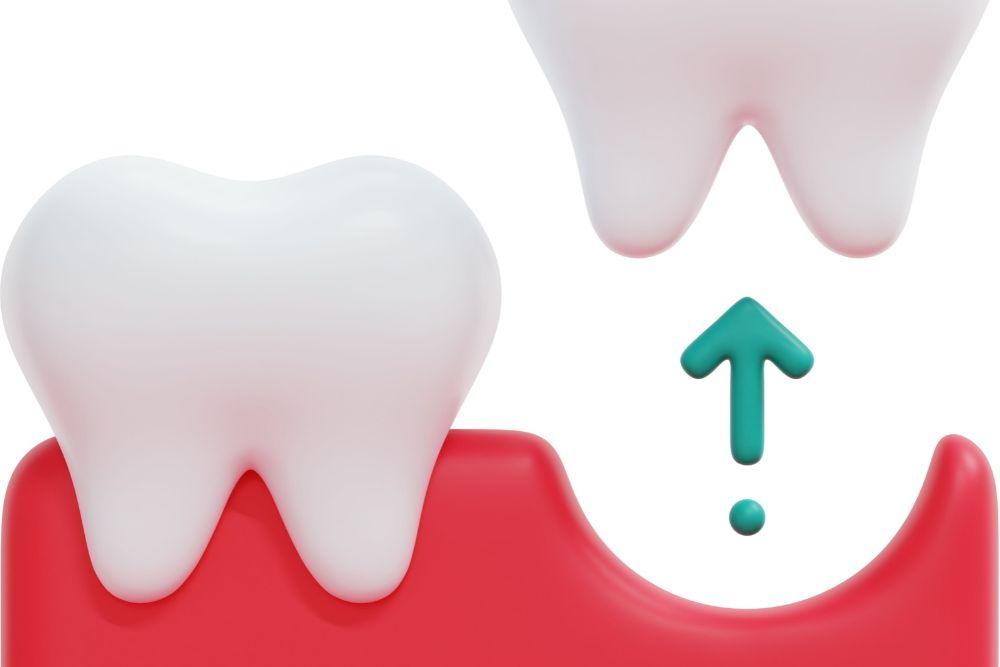
If your dentist has told you a tooth needs to come out, it’s natural to want to put it off, extractions aren’t anyone’s favourite appointment to book. But when a dentist recommends extraction, it’s usually because the tooth is beyond a point where other treatments are likely to help, and waiting tends to give the underlying problem more time to develop rather than less.
Booking a dental extraction in Lower Hutt sooner rather than later isn’t about rushing an unnecessary decision, it’s about addressing a problem your dentist has already assessed as being past the point where a filling or root canal would realistically help. The risk isn’t usually in the extraction itself, but in what happens to the tooth, and the tissue around it, while you wait.
This guide looks at why extraction gets recommended in the first place, what can happen when the procedure is delayed, why people tend to put it off, and what to watch for if you’ve been avoiding the appointment.
At a Glance
- Delaying a recommended extraction usually gives the underlying issue more time to progress, not less
- Extraction is generally recommended only when a tooth can’t be predictably restored
- Infection can spread beyond the original tooth to neighbouring teeth, gums, and supporting bone
- Fear, cost concerns, and symptoms that come and go are common reasons people delay
- Addressing the tooth earlier tends to make for a more straightforward procedure and recovery
What Happens When You Delay a Necessary Extraction?
Putting off a recommended extraction doesn’t make the underlying issue go away, in most cases, it gives the problem time to progress. If the tooth is infected, delaying removal can allow bacteria to continue spreading into surrounding gum tissue and, in some cases, the supporting bone.
This progression doesn’t always happen quickly, and some people go a while without noticing much change. But infection and inflammation left unaddressed are associated with a gradual weakening of the tissues supporting the tooth, which can make the eventual extraction more involved than it would have been earlier on.
Booking a dental extraction in Lower Hutt sooner rather than later gives your dentist the chance to address the issue while it’s still relatively contained, rather than after it’s had more time to spread.
Why a Dentist Might Recommend Extraction in the First Place
Dentists generally recommend extraction only when a tooth can’t be predictably restored, or when keeping it in place carries more risk than removing it. This might be due to extensive decay that’s gone beyond what a filling or crown can address, a fracture that extends below the gumline, advanced gum disease that’s compromised the tooth’s support, or a severe infection that hasn’t responded to other treatment.
It’s rarely the first option offered. Most dentists will explore fillings, root canal treatment, or other restorative approaches before extraction comes into the conversation, so if it’s been suggested for your situation, it’s worth taking seriously as a recommendation based on what’s actually achievable for that particular tooth.
A recommendation for extraction generally reflects a considered assessment of the tooth’s condition rather than a default response.
How Delaying Can Affect Neighbouring Teeth and Gums
An extraction is sometimes recommended specifically because a damaged or infected tooth is beginning to affect the teeth and gum tissue around it, not just the tooth itself. Understanding this connection helps explain why timing matters.
Bacteria from an infected tooth don’t necessarily stay contained to that one location. Over time, infection can spread to neighbouring teeth, gum tissue, and in some cases the jawbone supporting the area, which is part of why dentists tend to recommend addressing the issue sooner rather than monitoring it indefinitely.
If you’re noticing swelling, a bad taste, or discomfort that seems to be spreading beyond the original tooth, it’s worth raising this at your next dental clinic in Lower Hutt appointment so it can be properly assessed rather than waiting to see if it settles on its own.

Why People Tend to Put Off Necessary Extractions
Delaying a recommended extraction is a common response, and understanding why can make it easier to move past. Fear of the procedure itself, uncertainty about cost, a busy schedule, or simply hoping the discomfort will settle on its own are all common reasons people wait longer than they probably should.
In some cases, symptoms come and go, which can create a false sense that the issue has been resolved when it’s actually still present underneath. Pain from an infected or damaged tooth can temporarily ease as inflammation shifts, even while the underlying problem continues.
This is part of why relying on how a tooth feels day to day isn’t always a reliable guide to what’s actually happening, and why a follow-up assessment is generally worthwhile even if things seem to have improved.
Signs You Shouldn’t Ignore
Not every dental issue that eventually needs extraction comes with obvious warning signs early on, but there are some symptoms that are generally worth acting on rather than monitoring at home. Persistent or worsening pain, visible swelling in the face or gum, a bad taste or odour that doesn’t resolve, and looseness in the tooth are all reasonable prompts to book an appointment.
Fever alongside dental pain is also worth taking seriously, as this can indicate that an infection has become more significant. None of these symptoms confirm on their own exactly what’s going on, but they’re useful information for your dentist when working out whether the situation has changed since your last visit and how urgently it needs to be addressed.
If several of these symptoms appear together, it’s generally a stronger signal that the situation warrants prompt attention rather than continued monitoring.
What to Expect If You Book the Procedure Now
If you’ve been putting off a recommended extraction, booking the appointment doesn’t need to feel like a big step, the process is well understood and your dentist in Lower Hutt can walk you through what to expect based on your specific tooth and its condition. At Wainui Dental, this typically starts with a review of your current symptoms and, where needed, an updated X-ray to see how the situation has developed since it was first identified.
Addressing the tooth earlier rather than later tends to make for a more straightforward procedure and recovery, simply because there’s less inflammation and infection to work around.
An extraction appointment in Lower Hutt gives your dentist the opportunity to reassess the tooth, confirm tooth extraction is still the appropriate path, and talk through recovery expectations specific to your situation. Your dentist can also advise on simple preparation steps beforehand, such as what to eat before your appointment and any medication adjustments worth discussing in advance.
Recovery typically involves some swelling and mild discomfort for the first few days, which most people manage with the guidance provided at the appointment. The New Zealand Dental Association provides general guidance on caring for your mouth after oral surgery, including managing swelling and knowing when to contact your dentist.
Following your dentist’s aftercare instructions, including how to care for the extraction site and what to avoid while it heals, plays a meaningful role in how smoothly recovery goes. Recovery experiences vary from person to person, and your dentist can give you guidance suited to your individual circumstances rather than a generic timeline.
FAQ
What happens if I keep delaying a recommended extraction?
Delaying extraction generally allows the underlying issue, often infection or advanced decay, more time to progress, which can affect surrounding teeth, gums, and in some cases the supporting bone. Addressing it sooner tends to involve a more straightforward procedure than waiting until symptoms worsen.
Can delaying an extraction affect my other teeth?
Yes, in some cases. Infection from a damaged tooth can spread to neighbouring teeth and gum tissue over time, which is one of the reasons dentists generally recommend addressing a necessary extraction rather than monitoring it indefinitely.
Is it ever okay to wait before having a recommended extraction?
This depends on your individual situation and what’s causing the need for extraction, so it’s best discussed directly with your dentist. Some cases can be safely monitored for a short period, while others benefit from prompt action, your dentist can advise based on your specific circumstances.
What are the warning signs that I shouldn’t ignore?
Persistent or worsening pain, visible swelling, a bad taste or odour, tooth looseness, or fever alongside dental discomfort are generally worth having assessed rather than waiting to see if they resolve. These can indicate the situation has changed since your tooth was last reviewed.
Does delaying extraction make the recovery more difficult?
It can in some cases. Extractions carried out earlier, before infection or inflammation has had time to spread, are often more straightforward than those performed after a longer delay, though individual recovery experiences vary.
Conclusion
Delaying a recommended extraction is a common instinct, but in most cases it gives the underlying issue more time to develop rather than resolving on its own. If a dentist has advised removing a tooth, it’s generally worth understanding why before deciding to wait, since the reasoning is usually based on what’s realistically achievable for that specific tooth.
If you’ve been putting off a recommended extraction, or you’re noticing new symptoms around a tooth you’ve been keeping an eye on, the team at Wainui Dental can reassess the situation and talk through what’s involved. A personalised plan can be discussed based on your individual tooth and overall oral health.
Sources:
- Healthdirect Australia. (n.d.). Tooth Extraction. Available at:
https://www.healthdirect.gov.au/tooth-extraction - American Dental Association. (n.d.). Tooth Extraction: Post-Operative Instructions. Available at:
https://engage.ada.org/p/phys/tooth-extraction-post-operative-instructions-2225 - NHS. (n.d.). Tooth Removal. Available at:
https://www.nhs.uk/tests-and-treatments/wisdom-tooth-removal/ - American Dental Association. (n.d.). – Tooth Extraction. Available at: https://www.ada.org/search-results#q=tooth%20extraction&sort=relevancy

Wainui Dental Clinic has been caring for smiles across the Lower Hutt community with a commitment to quality and personalised treatment. From general dentistry to oral surgery, our dentist in Lower Hutt team uses modern technology to deliver comfortable, patient-centred care. We are passionate about ongoing professional development to ensure every patient receives the best dental experience possible.