
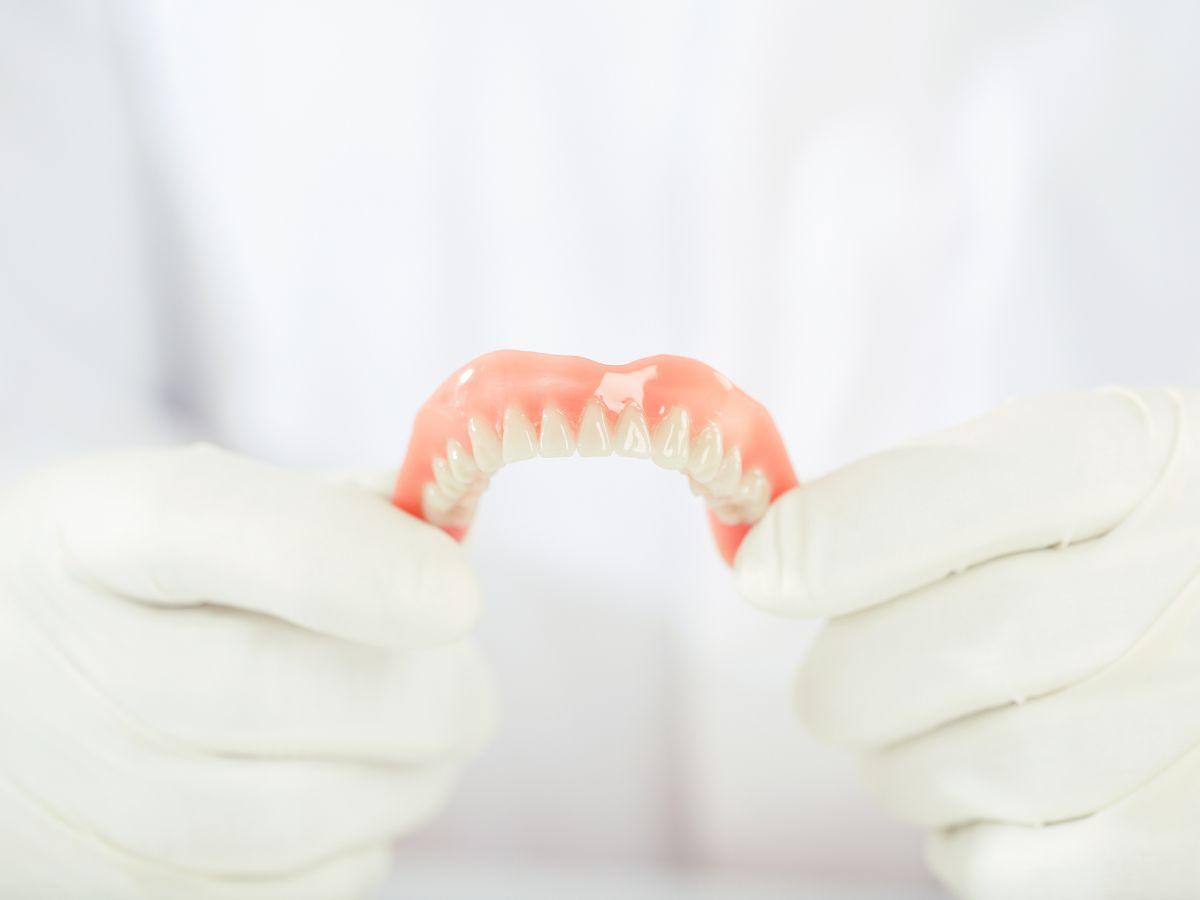
Getting new dentures is a big change, and it’s completely normal to notice they feel different from what you’re used to whether this is your first set or a replacement for older ones.
If you’ve recently been fitted with dentures in Lower Hutt and you’re wondering why your mouth feels unfamiliar, you’re not alone. Many patients experience an adjustment period as their mouth, tongue, and cheeks learn to work with the new appliance.
This guide explains why new dentures can feel different, what’s considered a normal part of the adjustment process, and when it may be worth checking in with your dental team. Understanding what to expect can make the transition feel far less daunting.
At a Glance
- New dentures often feel different because your mouth needs time to adapt to their shape, thickness, and fit
- Mild pressure, increased saliva, or a change in speech are common during the first few weeks
- Comfort and stability generally improve gradually over several weeks
- Ill-fitting dentures, or discomfort that doesn’t ease, should be checked by your dental team
- A denture assessment in Lower Hutt can help identify whether adjustments are needed
Why Do New Dentures Feel Different at First?
New dentures feel different because your mouth has not yet adapted to their shape, thickness, and the way they sit against your gums and palate. Even a well-fitted denture introduces a new surface and pressure pattern that your tongue, cheeks, and jaw muscles need time to get used to.
This adjustment is a normal part of the process for most people, not a sign that something has gone wrong. For anyone new to wearing dentures in Lower Hutt, it helps to know that your mouth’s soft tissue and muscle memory are built around your natural teeth or previous denture, so any new appliance, however well made, will feel noticeably different in the first few days.
Some patients describe the sensation as bulkiness, tightness, or an awareness of the denture that fades as the mouth adjusts. Others notice it more when eating or speaking than at rest.
What Changes Can You Expect With New Dentures?
New dentures can affect several everyday functions temporarily, including speech, saliva flow, taste, and chewing, as your mouth adapts to the appliance. These changes tend to be most noticeable in the first one to two weeks.
Speech Changes
Certain sounds, particularly those involving the tongue and palate, may feel slightly different to form at first. Reading aloud at home or practising familiar words can help your tongue relearn its position more quickly.
Increased Saliva
It’s common for the mouth to produce more saliva when a new denture is introduced, as the body responds to the new object. This usually settles down as the adjustment period progresses.
Changes in Taste or Sensation
A denture covering the roof of the mouth may temporarily affect how food tastes or feels. Many patients find this becomes less noticeable as they adjust.
Chewing Adjustments
Eating with new dentures often takes practice. Starting with softer foods cut into smaller pieces, then gradually reintroducing firmer foods, can support a smoother transition.
How Long Does It Take to Adjust to New Dentures?
Adjusting to new dentures typically takes several weeks, though the exact timeframe varies from person to person. Comfort and confidence generally build gradually rather than all at once.
Some patients feel more settled within the first week or two, while others need longer, particularly if this is their first time wearing dentures. Factors such as the type of denture, the condition of the gums and jaw, and how closely aftercare guidance is followed can all play a part, so it’s worth discussing your progress with a dentist in Lower Hutt if anything feels off during this period.
Following any care instructions provided by your dental team, and attending recommended follow-up appointments, supports a more comfortable adjustment period.
When Should You See a Dentist About Denture Discomfort?
You should contact your dental team if discomfort continues beyond the expected adjustment period, or if you notice sore spots, rubbing, or looseness that doesn’t improve. Ongoing pain is not something to simply work through.
Signs worth having checked include:
- Persistent sore or red patches on the gums
- A denture that feels loose or shifts while eating or speaking
- Difficulty biting or chewing that isn’t improving over time
- Clicking, slipping, or an unusual bite sensation
A denture assessment allows your dental team to check the fit and make adjustments where needed, since even small changes to your gums or jawbone over time can affect how a denture sits.
Tips for Settling Into New Dentures
Small daily habits can help support a smoother adjustment period while your mouth gets used to your new dentures.
- Start with softer foods and gradually reintroduce firmer textures as you feel more confident
- Practise speaking slowly and reading aloud to help retrain your tongue and lips
- Clean your dentures daily as advised by your dental team to support oral hygiene
- Attend any follow-up appointments so adjustments can be made early if needed
- Be patient most people find comfort improves steadily over the following weeks
Frequently Asked Questions
Is it normal for new dentures to feel uncomfortable at first?
Yes, mild discomfort or awareness of the denture is common in the first few days as your mouth adjusts. If discomfort is significant or doesn’t ease over time, it’s worth having your denture checked.
Why do my dentures feel loose sometimes?
Looseness can happen during the adjustment period, but it may also indicate the fit needs reviewing. Your dental team can assess whether an adjustment is needed.
How long until eating feels normal again with new dentures?
Many people find chewing becomes more comfortable over several weeks, starting with softer foods and progressing gradually. Individual timeframes vary depending on your circumstances.
Will my speech go back to normal with new dentures?
Speech often adjusts with practice as your tongue and lips learn the new shape of the denture. Reading aloud regularly can help speed up this process.
Should I keep wearing my old dentures while adjusting to new ones?
This is best discussed with your dental team, as it depends on your individual situation and the guidance given at your fitting appointment.
Conclusion
Feeling like your new dentures are different is a normal part of the process, and for most people, comfort improves steadily as the mouth adapts over the following weeks.
Paying attention to your body’s signals and reaching out if discomfort continues helps support a smoother transition.
If you’re adjusting to new dentures, or you’d like an assessment of your current fit, the team at Wainui Dental in Lower Hutt is here to help. A personalised consultation can identify whether any adjustments are needed to support your comfort going forward.

Wainui Dental Clinic has been caring for smiles across the Lower Hutt community with a commitment to quality and personalised treatment. From general dentistry to oral surgery, our dentist in Lower Hutt team uses modern technology to deliver comfortable, patient-centred care. We are passionate about ongoing professional development to ensure every patient receives the best dental experience possible.