
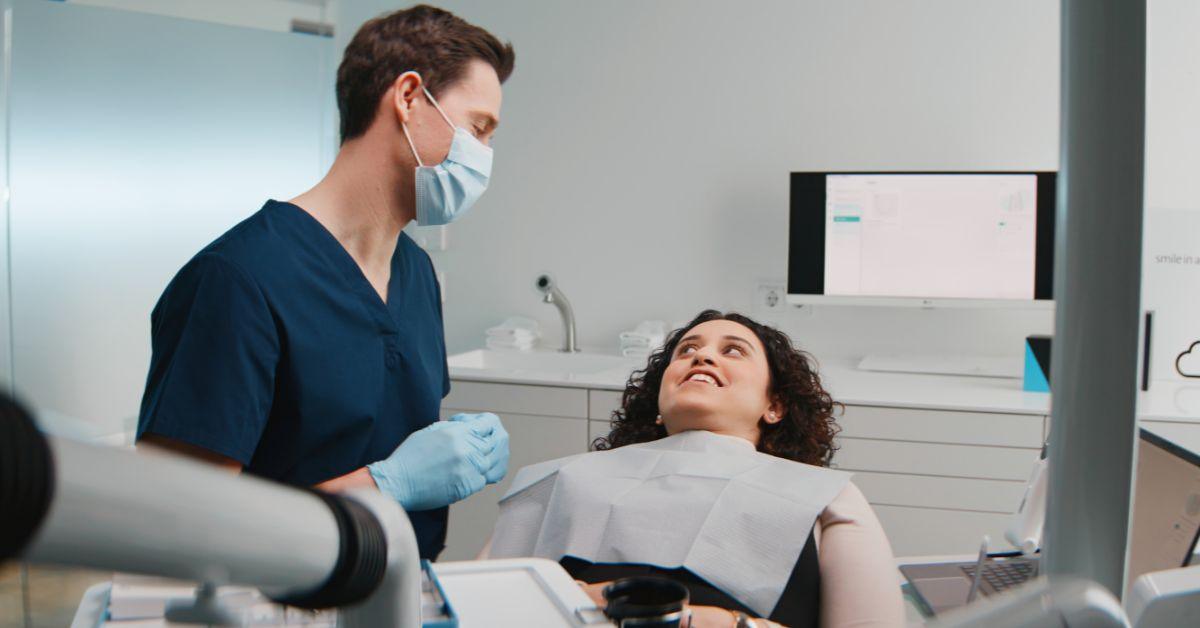
Wisdom teeth extraction is one of the most common dental procedures, but many people worry about the recovery process. If you’re considering wisdom teeth removal in Lower Hutt, understanding what to expect during healing can ease anxiety and help you prepare properly.
Whether you’re interested in post-operative care or exploring cosmetic options like teeth whitening in Lower Hutt after your recovery, knowing the timeline is essential.
The recovery period after wisdom teeth removal typically lasts between 7 to 10 days for initial healing, though complete bone healing can take several months. in most cases, but full recovery requires patience and proper care. Let’s explore what you need to know about this common procedure.
The First 24 Hours: Critical Care Period
The first day after surgery is the most important phase of your recovery. Your mouth will feel tender, and you may notice significant swelling developing during this time. Dentists recommend keeping your head elevated and applying ice packs to your cheeks in 15-minute intervals to minimise discomfort and reduce inflammation.
Avoid rinsing, spitting, or touching the extraction sites during this first day. Your body is forming blood clots in these areas; they’re essential for proper healing.
If a clot becomes dislodged, you risk developing a painful condition called dry socket, which requires additional dental care. Those undergoing wisdom teeth removal in Lower Hutt should follow these guidelines closely to prevent complications.
During the first 24 hours, stick to soft, cool foods like yoghurt, ice cream, and smoothies. Avoid hot drinks and foods that could irritate the sockets. Pain and swelling are completely normal at this stage.
Days 2–7: Managing Swelling and Discomfort
Most swelling peaks around day two or three after your extraction, then gradually decreases. This is when you might feel most uncomfortable, but it’s a sign that your body is healing. Continue using ice packs, and your dentist may recommend over-the-counter pain relief or prescribed medication to manage discomfort.
By day four, you can gently rinse your mouth with warm salt water after meals and before bed. This aids cleaning without disturbing healing sockets. Avoid using a straw, smoking, or drinking alcohol during this week, as these activities can delay healing and increase infection risk.
Your diet can gradually expand beyond soft foods. Try scrambled eggs, mashed potatoes, soups (cooled slightly), and finely minced meat. Avoid crunchy, hard, or spicy foods that could irritate the surgical areas or get lodged in the sockets.
Weeks 2–4: Returning to Routine
By the second week, many people notice significant improvement. Swelling and bruising usually fade considerably, and you should be able to eat most normal foods though you may still feel some tenderness. Continue being gentle with the extraction sites when eating and brushing nearby teeth.
If you have stitches, your dentist will remove them during a follow-up appointment around day 7–10. This is a quick, painless process. Your mouth will feel stronger, and you can gradually resume more regular oral hygiene, though still being careful around healing areas.
Light exercise can usually resume by week two, but avoid strenuous activity or contact sports for at least one week. Physical activity increases blood pressure, which can disturb blood clots and delay healing. Always follow your individual dentist’s advice about activity levels.
Full Recovery: What to Expect
While soft tissue healing takes 7–10 days, your jawbone continues healing underneath the gums for several months. This bone healing is invisible but crucial for long-term strength and preventing complications. Most dentists recommend waiting at least 3–4 months before major dental procedures on the extraction sites, such as implants or bridges.
Numbness around the extraction area might persist for a few weeks or even months in rare cases. This usually resolves gradually. Your dental clinic in Lower Hutt can monitor your healing progress and advise when you’re ready for any follow-up procedures. If you notice persistent unusual symptoms beyond four weeks, contact your dentist.
By four weeks, most people feel completely normal and forget they had the procedure. However, you’re still technically healing at the bone level during this time, so continue protecting the areas from trauma or complications.

Managing Pain and Discomfort
Over-the-counter pain relief like paracetamol or ibuprofen is usually sufficient for most people. Take it as directed on the packet, and don’t exceed the recommended dose. If pain intensifies after day three or doesn’t improve after a week, contact your dentist this may signal infection or dry socket.
Some swelling and bruising is normal, but excessive symptoms warrant professional evaluation. Keep a record of any unusual symptoms to discuss with your dentist at follow-up appointments.
Signs You May Need Professional Help
Most recoveries proceed smoothly, but watch for warning signs: severe pain not controlled by medication, excessive bleeding, swelling that worsens after day three, fever above 38°C, or foul-smelling discharge from the sockets.
These symptoms require prompt dental attention and may indicate infection or complications. Dry socket where the blood clot dislodges causes severe pain and bad breath. It’s treatable but uncomfortable, so prevention through careful aftercare is essential.
FAQ: Common Recovery Questions
How long until I can return to work?
Most people return to desk work within 3–5 days if they feel up to it. If your job involves physical labour or stress, wait at least 7–10 days. Pain levels and swelling vary individually, so listen to your body.
Can I smoke or drink alcohol during recovery?
Both smoking and alcohol should be avoided for at least 72 hours, ideally one week. Smoking disrupts blood clots and increases infection risk, while alcohol can interact poorly with pain medication and affect healing.
When can I resume exercise?
Light walking can resume after a few days if you feel comfortable. More strenuous exercise, gym work, or contact sports should wait at least one week, preferably two. This prevents blood clot disturbance and excessive bleeding.
Will I have permanent numbness?
Temporary numbness is common and usually fades within weeks. Permanent numbness is rare and usually improves over time. If numbness persists beyond three months, discuss it with your dentist.
Looking Ahead: Your Oral Health After Extraction
After your wisdom teeth have healed, you’ll have a new normal for your mouth. Many people find their remaining teeth are easier to clean and maintain, reducing decay and gum disease risk.
If you’ve been considering cosmetic dental treatments, like teeth whitening in Lower Hutt, your dentist can discuss timing once healing is complete.
Your recovery timeline and comfort level during healing depend on many factors: the complexity of extraction, your age, overall health, and how carefully you follow aftercare instructions. Everyone heals at their own pace, so don’t compare your recovery to others’.
Conclusion
Recovery after wisdom teeth removal typically spans 7–10 days for initial healing, with full bone healing taking several months.
By understanding what to expect at each stage from the critical first 24 hours through the gradual return to normal you can manage the process confidently and minimise complications. Follow your dentist’s specific instructions, watch for warning signs, and be patient with your body as it heals.
If you’re planning wisdom teeth extraction or have questions about your recovery, the team at Wainui Dental is here to provide personalised guidance and support throughout your healing journey. Contact your dental care provider to discuss your individual needs and timeline.

Wainui Dental Clinic has been caring for smiles across the Lower Hutt community with a commitment to quality and personalised treatment. From general dentistry to oral surgery, our dentist in Lower Hutt team uses modern technology to deliver comfortable, patient-centred care. We are passionate about ongoing professional development to ensure every patient receives the best dental experience possible.