
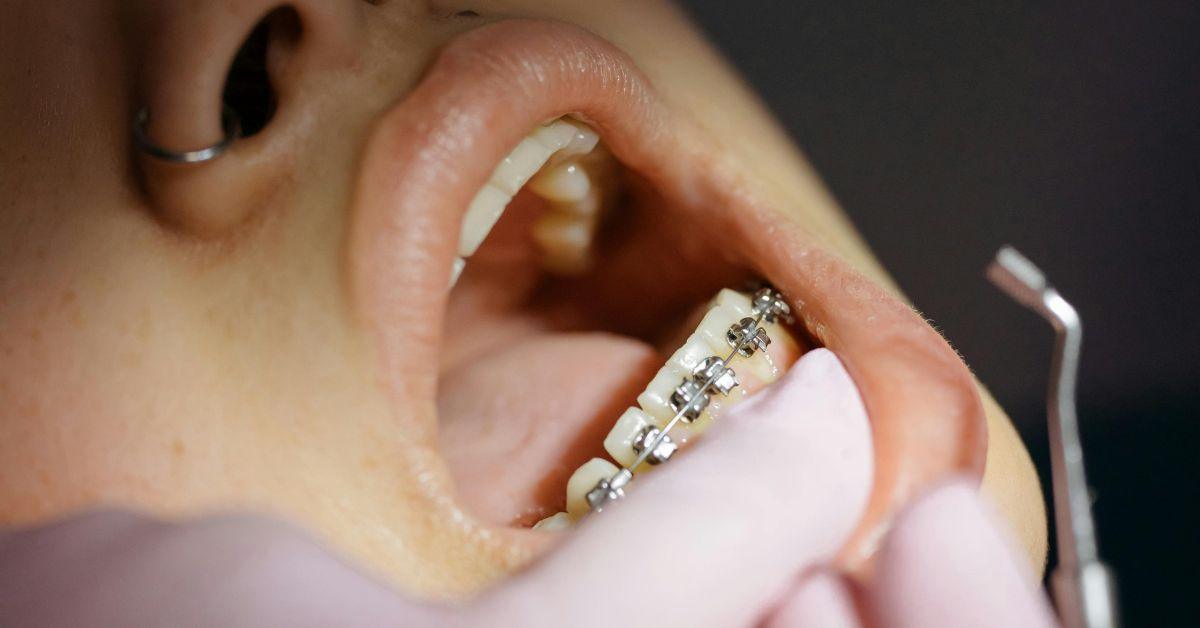
Starting orthodontic treatment is an exciting step toward a healthier, more aligned smile. But one of the first questions people ask is: what can I actually eat now?
If you or your child has recently got dental braces in Lower Hutt, adjusting your diet might feel a little overwhelming at first. The good news is that most everyday foods are still on the menu. You just need to know which ones to avoid and how to prepare others safely.
Eating the right foods while wearing braces helps protect the brackets and wires, reduces the risk of discomfort, and keeps your treatment on track. This guide breaks it all down in a simple, practical way so you can feel confident at every meal.
Foods That Are Safe to Eat with Braces
The general rule is to favour soft, easy-to-chew foods especially in the first few days after getting dental braces in Lower Hutt fitted or after an adjustment appointment.
Soft and Easy Options
These foods are gentle on brackets and wires and are suitable at any stage of treatment:
- Cooked grains – soft rice, pasta, and porridge are all excellent choices
- Cooked vegetables – steamed or roasted vegetables that are tender, such as kumara, carrots, and broccoli
- Eggs – scrambled, poached, or boiled; all are brace-friendly
- Soft bread and wraps – avoid very crusty or hard bread rolls
- Yoghurt and soft dairy – great for calcium intake, which supports healthy teeth and jaw bone
- Bananas and soft fruits – berries, kiwifruit, and peeled stone fruits work well
- Soups and stews – nourishing and easy to eat, especially after adjustments
- Fish and seafood – generally soft and easy to chew
- Smoothies – a convenient way to get nutrients without any chewing required
These options are ideal during the adjustment period when teeth may feel tender for a day or two.
Foods to Eat with Care
Some foods are fine to eat with braces, but they require a little preparation or mindful eating technique.
Cut or Prepare Before Eating
- Apples and pears – slice them thinly rather than biting into the whole fruit
- Corn – cut kernels off the cob before eating
- Meat on the bone – remove meat from the bone first to avoid biting down hard
- Raw carrots – grate or cut into small pieces rather than eating whole
- Hard cheese – break or crumble into smaller pieces
The key is to avoid biting into hard foods directly with your front teeth. Using your back teeth to chew and cutting food into smaller portions makes a significant difference in protecting your orthodontic appliances.
Foods to Avoid Completely While Wearing Braces
Certain foods pose a genuine risk of breaking brackets, bending wires, or getting lodged in hard-to-clean areas. It’s best to avoid these entirely throughout your treatment.
Hard and Crunchy Foods
These can crack or dislodge brackets:
- Hard lollies and boiled sweets
- Raw nuts (especially whole almonds or cashews)
- Hard pretzels and crackers
- Ice never chew ice cubes
- Popcorn (especially unpopped kernels at the bottom of the bag)
Sticky and Chewy Foods
These can pull at wires and get wrapped around brackets:
- Chewing gum (including sugar-free varieties)
- Toffee, caramel, and nougat
- Muesli bars with dried fruit and nuts
- Gummy lollies or bears
- Sticky dried fruit such as dried mango or dates
Sugary Foods and Drinks
Sugar isn’t just a dental health concern in general, it’s a bigger risk when wearing braces. Brackets create additional spaces where food and plaque can be collected.
High sugar intake increases the risk of white spot lesions, which are areas of mineral loss on the enamel that can become visible once braces are removed.
Limit soft drinks, fruit juice, and sugary snacks where possible. Water remains the best drink during orthodontic treatment.
Why Diet Matters So Much During Orthodontic Treatment
Braces work by applying consistent, gentle pressure to shift teeth into the correct position over time. When a bracket breaks or a wire bends, it can interrupt progress and require an unplanned appointment.
Repeated breakages may extend your overall treatment time. If you are unsure what is safe to eat, speaking with your dentist in Lower Hutt is a good starting point.
Good nutrition also supports oral health during treatment calcium-rich foods like dairy, leafy greens, and fish help support bone health throughout the process.
How to Manage Meals After Adjustment Appointments
After each adjustment visit, teeth often feel more sensitive for one to three days. This is a normal response as the teeth begin to respond to the updated pressure.
During this period, it helps to:
- Stick to the softest options on your list
- Eat slightly cooler foods if your teeth feel very tender
- Avoid anything that requires heavy chewing
- Have a few meal ideas prepared in advance for the day of and day after your appointment
Sensitivity usually settles on its own within a few days. If discomfort feels more significant than usual, it’s worth checking in with your dental provider.
FAQ:
Can I eat normally with braces?
Yes, most people adapt to eating with braces fairly quickly. The key is learning which foods to avoid and how to prepare others. You won’t need to follow a restricted diet throughout your entire treatment just make a few adjustments to your usual meals and snacks.
How soon after getting braces can I eat normally?
It’s advisable to stick to soft foods for the first three to five days after having braces fitted. After that, you can gradually reintroduce firmer foods, provided they are cut into small pieces and not overly hard or sticky.
Can I still eat at restaurants with braces?
Absolutely. Most restaurant menus have suitable options for dishes with soft proteins, cooked vegetables, and rice or pasta. Avoid bread rolls with very hard crusts, whole corn cobs, and anything with toffee or caramel-based sauces. Soups, salads (without croutons), and grilled fish or chicken are usually safe choices.
What happens if I eat something I shouldn’t?
If a bracket comes loose or a wire bends after eating something hard, contact your dental provider as soon as possible to arrange a repair appointment. Avoid trying to fix it yourself. In the meantime, if a wire is poking and causing irritation, orthodontic wax can be placed over the sharp end for temporary relief.
Conclusion
Adjusting your diet while wearing braces does take a little planning, but it becomes second nature fairly quickly. Focusing on soft, nutritious foods, cutting harder items into smaller pieces, and steering clear of sticky or crunchy snacks helps keep your appliances intact and your treatment on track.
If you have questions about what to eat during your orthodontic journey or would like to explore your options, the team at Wainui Dental is happy to help. A personalised conversation with your dental provider is the best way to get guidance suited to your specific situation.
Sources:
- https://my.clevelandclinic.org/health/treatments/24601-teeth-braces
- https://www.fda.gov/consumers/consumer-updates/braces-have-changed-metal-tooth-colored-clear
- https://medlineplus.gov/orthodontia.html
- https://pmc.ncbi.nlm.nih.gov/articles/PMC9907756/

Wainui Dental Clinic has been caring for smiles across the Lower Hutt community with a commitment to quality and personalised treatment. From general dentistry to oral surgery, our dentist in Lower Hutt team uses modern technology to deliver comfortable, patient-centred care. We are passionate about ongoing professional development to ensure every patient receives the best dental experience possible.