
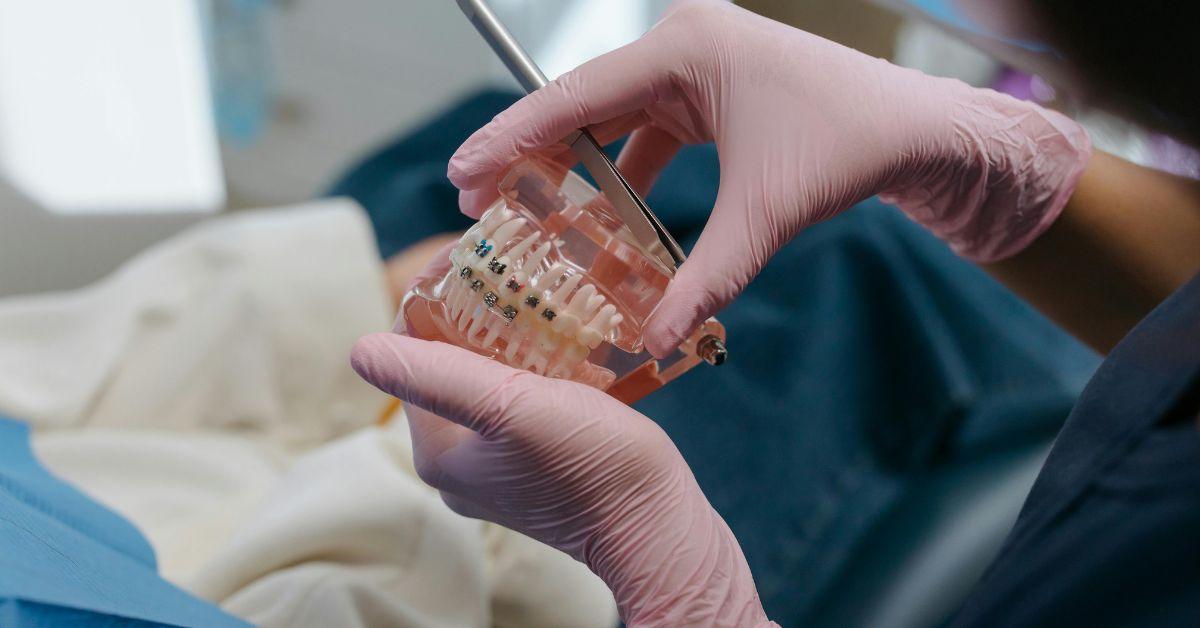
If you or your child has recently started orthodontic treatment, you may be wondering what happens at each follow-up visit. Getting dental braces in Lower Hutt is just the beginning of the journey.
The real work happens over many months through a series of careful, planned adjustments. Understanding how these adjustments work can help you feel more confident and prepared throughout the treatment process.
Orthodontic adjustments are not random. Each visit is designed to apply gentle, controlled pressure to guide teeth into their correct positions. The process requires patience, but knowing what to expect at each stage makes it much easier to stay on track and committed to the outcome.
What Happens During an Orthodontic Adjustment Visit?
At each adjustment appointment, your orthodontist will assess how your teeth have responded since the last visit. They will look at how much movement has occurred, whether any components need replacing, and what the next stage of treatment requires.
During the visit, the orthodontist may:
- Replace the elastic ligatures (the small coloured bands holding the wire to the brackets)
- Change the archwire to a thicker or stiffer one
- Add or reposition springs or coils
- Adjust the tension across specific areas of the mouth
The whole appointment usually takes between 20 and 45 minutes. It is a routine but important part of making sure your dental braces in Lower Hutt progresses as planned.
Why Are Regular Adjustments Necessary?
Teeth move slowly in response to sustained pressure. Once your teeth have shifted to meet the current wire’s tension, that wire no longer provides enough force to continue moving them. This is why adjustments are needed to reapply the appropriate level of pressure and maintain forward progress.
Without regular adjustments, treatment would simply stall. The bone around each tooth needs time to remodel and settle, and each new wire or tension setting gives the process a fresh push in the right direction.
Most patients attend adjustment appointments every four to eight weeks, depending on their treatment plan. Your orthodontist will advise you on the right schedule for your specific case.
How Do Archwires Change Throughout Treatment?
The archwire is one of the most important components of fixed braces. It runs through the brackets on each tooth and is the primary source of the force that moves teeth.
Early Stages: Flexible Wires
In the early phase of treatment, orthodontists typically use thin, flexible wires made from nickel-titanium alloy. These wires are designed to apply light, continuous pressure and are especially effective at aligning crooked or rotated teeth. They are gentle on the teeth and gums as the mouth adjusts to having braces.
Middle Stages: Firmer Wires
As alignment improves, the orthodontist will switch to slightly firmer wires. These wires are better suited to closing gaps, correcting bite issues, and managing more precise tooth movements. Stainless steel wires are commonly used at this stage.
Final Stages: Finishing Wires
Towards the end of treatment, finishing wires are used to make fine adjustments and ensure the teeth sit in exactly the right positions. These adjustments are smaller and more targeted, fine-tuning the results achieved in earlier stages.
What Does Pressure Feel Like After an Adjustment?
It is completely normal to feel some soreness or discomfort for one to three days after an adjustment. This is a sign that the braces are doing their job and that your teeth are responding to the new pressure being applied.
The discomfort is usually described as a dull ache or sensitivity, particularly when biting or chewing. Soft foods are often recommended during this period, and over-the-counter pain relief may be used if needed always following the appropriate dosage guidance.
The soreness typically eases on its own as the teeth settle into their new positions. If discomfort is persistent or unusually severe, it is worth contacting your orthodontist to check that everything is progressing as expected.

Can Anything Go Wrong Between Adjustments?
While braces are designed to be durable, small issues can occasionally occur between appointments. Common concerns include:
- A wire coming loose or poking the inside of the cheek
- A bracket becoming detached from a tooth
- A ligature band breaking or falling off
None of these are emergencies in most cases, but they should be reported to your orthodontist promptly. A loose bracket or wire can slow treatment progress if left unaddressed.
Maintaining good oral hygiene and avoiding hard, sticky, or chewy foods can help reduce the risk of these issues occurring. Your orthodontic team will provide guidance on what to avoid throughout treatment.
How Long Does Orthodontic Treatment Usually Take?
Treatment length varies depending on the complexity of the case, the age of the patient, and how consistently appointments are attended. On average, fixed brace treatment takes between 18 months and three years.
Younger patients often respond faster because their bone is still developing more actively. If you have questions about your timeline, discussing them with your dentist in Lower Hutt can help set realistic expectations.
Adults can also achieve excellent results; it may simply take a little longer. Attending every scheduled adjustment appointment is one of the most important things a patient can do to keep treatment on track.
Frequently Asked Questions
How often will I need to visit the orthodontist during treatment?
Most patients are seen every four to eight weeks for adjustments. The exact schedule depends on your treatment plan and how quickly your teeth are responding. Your orthodontist will confirm the recommended interval at the start of treatment.
Do adjustment appointments hurt?
The appointment itself is usually not painful, though you may feel some pressure as the wire is changed or tightened. The soreness that follows typically lasts one to three days and can be managed with soft foods and over-the-counter pain relief as directed.
What happens if I miss an adjustment appointment?
Missing an appointment can slow your treatment progress. The force applied by your current wire decreases over time, so if too much time passes between visits, your teeth may not be moving as efficiently as they should. It is best to reschedule as soon as possible if you need to change an appointment.
Will I need a retainer after my braces are removed?
Yes, retainers are a standard part of orthodontic treatment. After braces are removed, teeth have a natural tendency to shift back toward their original positions. A retainer helps maintain the results achieved during treatment. Your orthodontist will advise on the type of retainer suitable for your situation and how long it should be worn.
Conclusion
Orthodontic adjustments are a carefully planned and essential part of brace treatment. From the first flexible wire to the final finishing adjustments, each visit plays a role in guiding your teeth toward a healthier, more aligned position.
Understanding the process helps set realistic expectations and makes it easier to stay motivated throughout what can be a lengthy but worthwhile journey.
If you have questions about orthodontic treatment or would like to discuss your options with a dental professional, the team at Wainui Dental is available to help. Booking a consultation is a straightforward way to get personalised information about what treatment may involve for your specific situation.
Sources:
- https://pmc.ncbi.nlm.nih.gov/articles/PMC9907756/
- https://www.fda.gov/consumers/consumer-updates/braces-have-changed-metal-tooth-colored-clear
- https://aaoinfo.org/treatments/braces/
- https://my.clevelandclinic.org/health/treatments/24601-teeth-braces

Wainui Dental Clinic has been caring for smiles across the Lower Hutt community with a commitment to quality and personalised treatment. From general dentistry to oral surgery, our dentist in Lower Hutt team uses modern technology to deliver comfortable, patient-centred care. We are passionate about ongoing professional development to ensure every patient receives the best dental experience possible.