
If you’ve noticed your teeth don’t quite line up when you bite down, or you find yourself chewing more on one side than the other, you might be dealing with an uneven bite. It’s a common concern, and the good news is that dentists are well equipped to assess.
If you’re exploring braces in Lower Hutt, this guide explains what an uneven bite is, how braces may help, and what the process generally looks like.
An uneven bite (sometimes called a malocclusion) happens when the upper and lower teeth don’t meet the way they should when the jaw is closed.
It can develop gradually and isn’t always obvious without a dental check-up. In this article, we’ll walk through the common causes, how orthodontic treatment is assessed, and what to expect if you decide to look into braces at a Lower Hutt dental clinic.
At a Glance
- An uneven bite means the upper and lower teeth don’t align properly when biting down.
- Braces are one option dentists may consider for guiding teeth into better alignment over time.
- Treatment plans are personalised and depend on the type and severity of the bite issue.
- Early assessment can help identify options before a mild issue potentially develops further.
- A consultation with your dentist is the best way to understand what may be suitable for your situation.
What Is an Uneven Bite?
An uneven bite is when the top and bottom teeth don’t meet correctly, which can affect chewing, speech, or jaw comfort. It’s a broad term that covers several different alignment patterns, and it can range from barely noticeable to more pronounced.
Common types include an overbite (upper teeth sit further forward than the lower teeth), an underbite (lower teeth sit further forward), a crossbite (some upper teeth sit behind the lower teeth), and an open bite (the front teeth don’t touch when the back teeth are closed).
Each type presents differently, and a dentist will usually assess which pattern, if any, applies before discussing options such as braces in Lower Hutt or other suitable treatments.
An uneven bite can develop for a number of reasons, including genetics, jaw growth patterns, thumb-sucking habits in childhood, early tooth loss, or prolonged mouth breathing.
Because the causes vary, so does the recommended approach, which is why a proper assessment is an important first step.
How Do Dentists Assess a Bite Problem?
Dentists typically assess a bite issue through a visual examination, a review of dental history, and often X-rays or imaging to understand how the jaw and teeth are positioned. This gives a clearer picture of what’s happening beneath the surface, not just what’s visible when you smile.
During an assessment, your dentist may look at how your teeth meet at rest and in motion, check for uneven wear patterns on the teeth, and ask about any discomfort when chewing or speaking. This information helps build a picture of whether the bite issue is mild, moderate, or more involved.
From there, your dentist can discuss whether braces or another orthodontic approach may be appropriate for your particular circumstances. Because every mouth is different, treatment outcomes vary depending on individual circumstances, and a personalised treatment plan can only be developed after this kind of assessment.
Can Braces Help With an Uneven Bite?
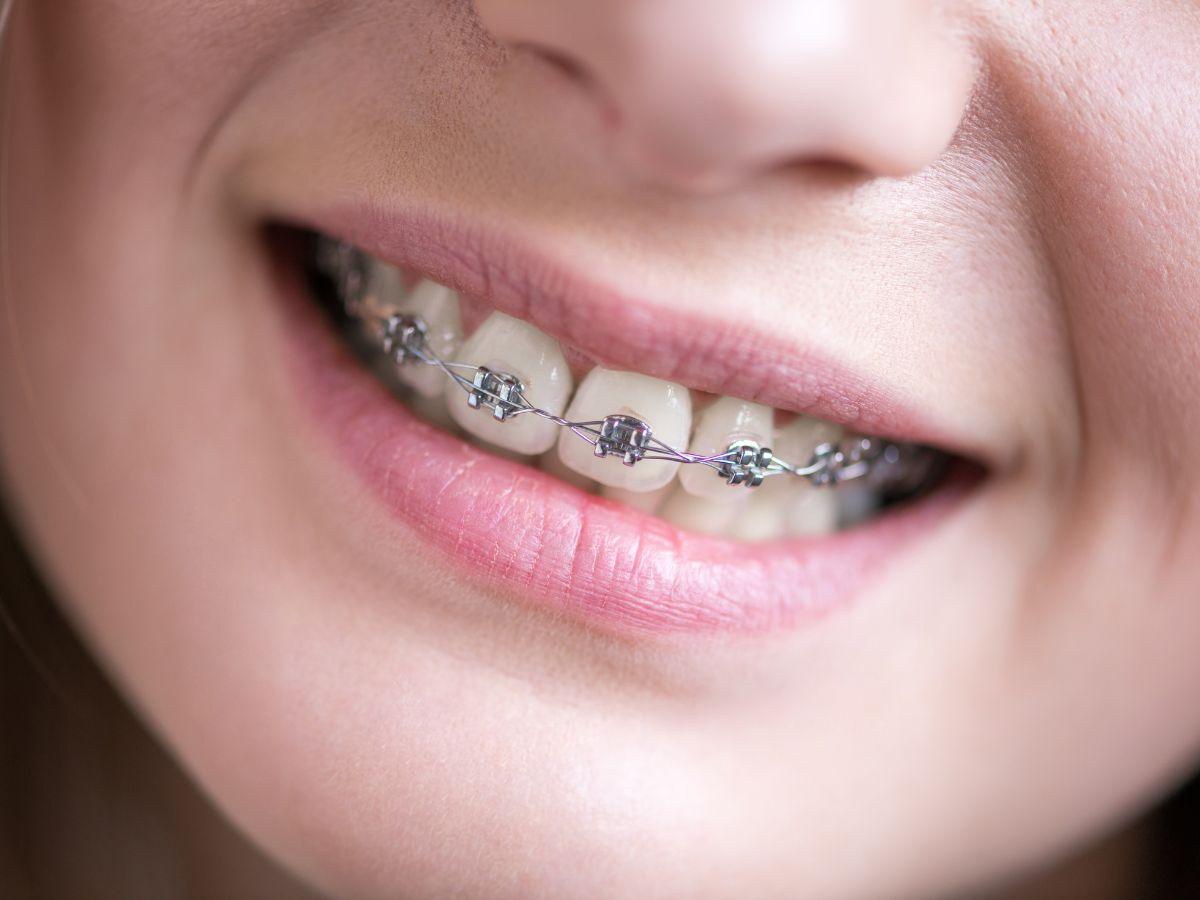
Braces work by applying gentle, sustained pressure to gradually guide teeth into a more aligned position over time. For many people with an uneven bite, this gradual movement can help bring the upper and lower teeth into better alignment.
Braces use brackets and wires (or in some cases clear aligners) to apply consistent pressure to the teeth and, in certain cases, help influence jaw alignment during growth. The specific approach depends on the type of bite issue and the patient’s age, since growing jaws and fully developed adult jaws respond differently to treatment.
It’s worth noting that braces are one of several tools a dentist might consider, and not every bite issue is suited to the same approach. Some more complex jaw discrepancies may need a broader conversation involving other specialists. Your dentist can help explain which options may be worth discussing based on what they find during your assessment.
What Does the Braces Treatment Process Generally Look Like?
The braces process typically begins with a consultation and assessment, followed by a personalised plan, fitting of the braces, regular adjustment visits, and a retention phase afterward. Each stage plays a role in supporting the overall outcome.
- Initial consultation – Your dentist reviews your teeth, bite, and any X-rays to understand the situation.
- Treatment planning – A plan is discussed based on your specific bite pattern and goals.
- Fitting – Braces are fitted, and you’ll receive guidance on care and diet during treatment.
- Adjustment visits – Periodic visits allow your dentist to monitor progress and make adjustments.
- Retention phase – After braces are removed, a retainer is often recommended to help maintain the new position of the teeth.
Treatment length varies from person to person and depends on factors such as the complexity of the bite issue and how the teeth respond over time, so it’s best discussed directly with your dentist during your consultation.
Is Treatment Suitable for Both Children and Adults?
Both children and adults can be assessed for orthodontic treatment, though the approach may differ depending on whether the jaw is still developing. Growing jaws sometimes offer more flexibility in how a bite issue is addressed, while adult treatment tends to focus more on tooth movement alone.
For parents, an early dental check-up can help identify whether a child’s bite pattern is something to keep an eye on as they grow. Any local dental clinic in Lower Hutt can usually offer this kind of assessment, and this doesn’t necessarily mean immediate treatment is needed, but early information gives families more time to plan.
For adults, it’s never too late to have a bite assessed. Many adults choose to explore braces later in life for comfort, function, or general oral health reasons, and a dentist can advise on what a realistic and personalised plan might involve.
Why Might Addressing an Uneven Bite Matter?
Addressing an uneven bite may help support more comfortable chewing, reduce uneven wear on certain teeth, and make daily brushing and flossing more straightforward. Some people also find that better alignment eases jaw tension over time.
It’s important to keep expectations realistic. Not every uneven bite requires treatment, and outcomes can vary based on individual circumstances. The best way to understand what applies to you is a conversation with your dentist, who can talk through the specifics of your situation rather than general assumptions.
Frequently Asked Questions
What causes an uneven bite?
An uneven bite can be caused by genetics, jaw growth patterns, childhood habits like thumb-sucking, early tooth loss, or prolonged mouth breathing. In many cases, it’s a combination of factors rather than a single cause. A dental assessment can help identify what may be contributing to your particular bite pattern.
How long does it take for braces to correct a bite?
Treatment time varies significantly depending on the type and severity of the bite issue, as well as individual response to treatment. Some people may need a shorter treatment period, while others require a longer plan. Your dentist can give you a clearer estimate after assessing your teeth and bite directly.
Are braces uncomfortable?
Some mild discomfort or pressure is common in the first few days after braces are fitted or adjusted, as teeth begin to shift. This typically settles down as you adjust to the braces. Your dentist can suggest ways to manage any temporary discomfort during your treatment.
Can adults get braces for an uneven bite?
Yes, adults can be assessed for braces, and many adults do pursue orthodontic treatment later in life. The approach may look different from treatment in children since the jaw is no longer growing, but a personalised plan can still be discussed at a consultation.
Do I need braces if my bite issue is mild?
Not necessarily. Mild bite issues don’t always require treatment, and the right approach depends on your individual circumstances and any symptoms you may be experiencing. A dentist can help you understand whether monitoring or treatment is the more suitable path for you.
Conclusion
An uneven bite is a common dental concern, and braces are one option that may be considered as part of a personalised treatment plan. Every bite is different, so understanding your specific situation through a proper assessment is the most reliable way to explore what might help.
If you’re considering braces in Lower Hutt and want to understand your options, the team at Wainui Dental can walk you through an assessment and discuss what a personalised plan might look like for your bite and oral health goals.
Reach out to Wainui Dental to book a consultation and take the first step toward understanding your bite.

Wainui Dental Clinic has been caring for smiles across the Lower Hutt community with a commitment to quality and personalised treatment. From general dentistry to oral surgery, our dentist in Lower Hutt team uses modern technology to deliver comfortable, patient-centred care. We are passionate about ongoing professional development to ensure every patient receives the best dental experience possible.