
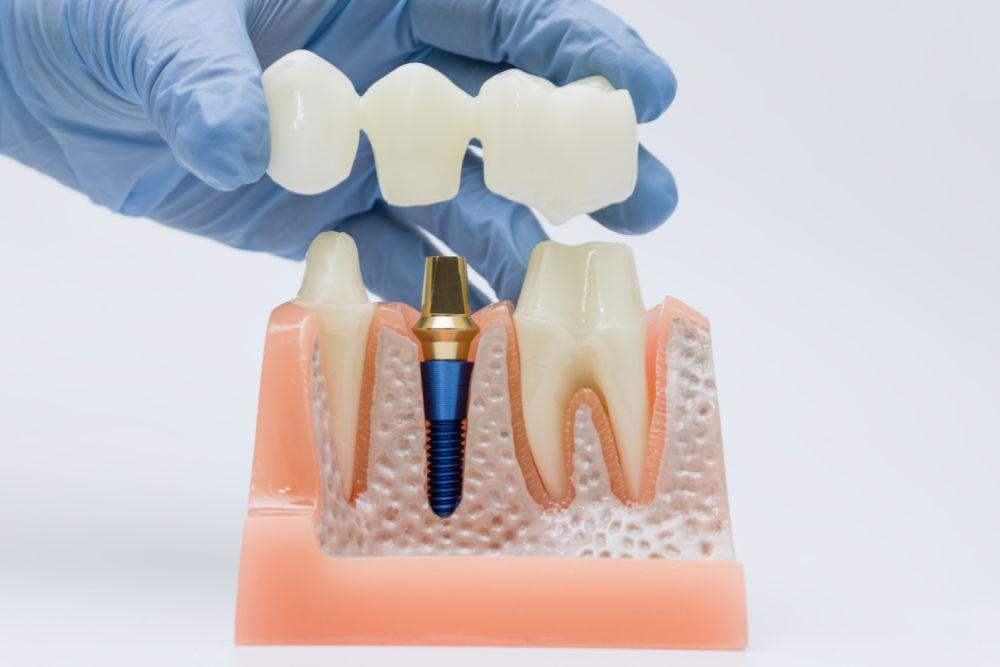
Getting a dental crown is usually a positive step toward restoring a damaged or weakened tooth, but some patients are surprised when they notice sensitivity afterward. If your recently crowned tooth feels tender when exposed to hot, cold, sweet foods, or pressure, you are not alone. Mild sensitivity can occur as the tooth and surrounding tissues adjust after treatment and does not always mean that something has gone wrong.
Several factors can contribute to sensitivity, including the preparation of the tooth, temporary irritation of the nerve, changes in how your bite feels, or pressure around the crowned tooth. In many cases, these symptoms gradually improve as the tooth settles.
This guide explains why sensitivity may occur after a dental crown, how long it can typically last, and what factors may make it more noticeable. It also covers signs that may indicate a need for a dental checkup, such as worsening pain, persistent sensitivity, discomfort when biting, swelling, or symptoms that do not seem to be improving over time.
At a Glance
- Mild sensitivity after a dental crown is common and usually improves gradually over one to two weeks as the tooth and surrounding tissue adjust.
- Sensitivity can come from enamel removal during preparation, temporary nerve irritation, or bite changes around the crowned tooth.
- Root-canaled teeth are typically less sensitive afterward, since the nerve tissue has already been removed.
- Sensitivity that worsens, appears spontaneously, or comes with swelling or a bad taste is worth having checked rather than waiting out.
- A short follow-up visit can often resolve bite-related discomfort without needing more extensive treatment.
Why Sensitivity After a Crown Is Common
Placing a crown involves reshaping the natural tooth to create room for the restoration to fit properly. This process removes a portion of the outer enamel, and in some cases, brings the crown closer to the inner layer of the tooth called dentin, which contains microscopic tubules that connect to the nerve. Because of this, it’s not unusual for a freshly crowned tooth to feel more reactive to temperature or pressure than it did before treatment.
Additionally, the surrounding gum tissue and ligament that holds the tooth in place can also be temporarily irritated from the preparation and fitting process, contributing to a general feeling of tenderness around the tooth, not just within it.
For patients receiving dental crowns in Lower Hutt, this mild sensitivity is typically temporary as the tissue and tooth adjust to the new restoration.
How Long Sensitivity After a Crown Typically Lasts
For many patients, sensitivity following a crown placement tends to improve gradually over one to two weeks as the tooth and surrounding tissue settle. Some patients notice a shorter adjustment period, while others may experience mild sensitivity for several weeks, particularly with temperature changes like hot coffee or cold drinks.
If a root canal was performed before the crown was placed, sensitivity is often less common since the nerve tissue inside the tooth has already been removed. In these cases, any discomfort is more likely related to the surrounding gum tissue or bite adjustment rather than the tooth’s nerve itself.
Sensitivity that gradually decreases over time is generally viewed as a normal part of healing. Sensitivity that stays the same, worsens, or lingers well beyond a few weeks is usually a signal to check in with your dental provider.
When Sensitivity Might Be a Concern
While mild, gradually improving sensitivity is common, certain patterns are generally considered worth discussing with your dentist rather than waiting to see if they resolve on their own:
- Sensitivity that doesn’t improve after two to three weeks
- Pain that occurs spontaneously, without a specific trigger like hot or cold
- Sharp or throbbing pain, rather than mild sensitivity
- Sensitivity that gets progressively worse instead of better
- Visible swelling or a bad taste, which could indicate infection
- Noticeable difficulty biting down comfortably, suggesting a possible bite alignment issue
If you notice any of these signs, reaching out to your dental provider is generally a better approach than waiting, since some causes of prolonged sensitivity, like an unresolved bite issue or underlying nerve inflammation, are more straightforward to address earlier rather than later.
What a Dentist Typically Checks If Sensitivity Persists
If sensitivity continues beyond the expected adjustment window, your dentist will usually assess a few possible causes during a follow-up visit:
- Checking the bite alignment to see if the crown needs minor adjustment
- Reviewing the fit of the crown at the gum line and margins
- Considering whether the nerve inside the tooth may need further evaluation, particularly if a root canal wasn’t performed initially
- Ruling out other causes, such as a cavity on a neighbouring tooth or gum recession unrelated to the crown itself
Because there are several possible explanations for lingering sensitivity, an in-person evaluation is usually the most reliable way to identify the specific cause rather than guessing based on symptoms alone.For patients experiencing ongoing discomfort after a recent restoration.
Consulting a dentist in Lower Hutt can help pinpoint what’s contributing to the sensitivity and whether a simple adjustment might resolve it. In many cases, bite-related discomfort can be addressed with a short follow-up visit, without requiring more extensive treatment.
What to Expect During the Temporary Crown Phase
It’s worth noting that some sensitivity during the period between tooth preparation and final crown placement is considered a normal part of the process, since the temporary crown is designed to protect the tooth but isn’t always as precisely fitted as the permanent restoration.
Patients are often advised to be a little more cautious with what and how they chew during this phase, and to avoid very sticky or hard foods that could dislodge the temporary crown.
Once the permanent crown is placed and properly fitted, many patients notice a reduction in sensitivity compared to the temporary phase, simply because the final restoration seals the tooth more completely.
Does the Type of Crown Material Affect Sensitivity?
Crowns are made from a range of materials, including porcelain, zirconia, metal alloys, and porcelain-fused-to-metal combinations, and patients sometimes wonder whether the material itself influences how much sensitivity they experience. In general,
the material used for the crown’s outer surface has less impact on sensitivity than factors like how much of the natural tooth structure was removed, how close the preparation came to the nerve, and how precisely the crown was fitted.
That said, some materials conduct temperature slightly differently than others, which may play a small role in how quickly a patient notices hot or cold sensations through the restoration. This is generally considered a minor factor compared to the underlying condition of the tooth and the quality of the fit, and it’s not something most patients need to weigh heavily when discussing crown options with their dentist.
The Role of Bite Adjustment in Long-Term Comfort
One of the more overlooked contributors to lingering discomfort after a crown is a bite that hasn’t been fully adjusted to match the rest of the mouth. Even a very slight difference in height can cause a tooth to absorb more pressure than it’s designed to during chewing, which can translate into a dull ache or sensitivity that doesn’t seem to improve with time.
This is one of the more common reasons dentists ask patients to return for a follow-up visit shortly after a new dental crown is placed, not necessarily because something went wrong, but because it can take a day or two of normal biting and chewing for a patient to notice whether the crown feels slightly off. Reporting this kind of detail, even if it seems minor, gives your dentist useful information to fine-tune the fit.
Frequently Asked Questions
Is it normal for a crowned tooth to be sensitive to cold months later?
Lingering sensitivity that appears well after the initial adjustment period, rather than gradually improving from the start, is generally considered less typical and worth mentioning to your dentist.
Can a crown be adjusted if it feels too high when biting down?
Yes, this is a common and usually straightforward adjustment that can often be done during a short follow-up visit.
Does sensitivity after a crown always mean I’ll need a root canal?
Not necessarily. Many cases of post-crown sensitivity resolve on their own or with a minor bite adjustment. A root canal is generally only considered if there are signs of more significant nerve involvement.
Why does my crown feel different from my natural tooth?
Some difference in sensation is common initially, as your mouth adjusts to the new restoration. This typically becomes less noticeable as you get used to the crown over time.
Conclusion
Mild sensitivity after getting a dental crown is a recognized part of the adjustment process for many patients, often improving gradually within one to two weeks. That said, sensitivity that persists, worsens, or comes with other symptoms like swelling or spontaneous pain is generally worth having evaluated rather than waiting it out.
If you’re dealing with ongoing discomfort after a recent crown or want guidance on what’s normal for your specific situation, reaching out to a dental professional remains the most reliable way to get an accurate answer tailored to your case. At Wainui Dental, the team is always available to check your restoration, make minor bite adjustments, and ensure your recovery is moving forward comfortably.
Sources:
- Post-cementation sensitivity rates and causes
Anas B. et al. — “Post-Cementation Sensitivity in Vital Abutments of Fixed [Prosthodontic Restorations]” https://www.saspublishers.com/media/articles/SJAMS_53D1009-1013.pdfConfirmed real and directly relevant — reports post-cementation hypersensitivity rates ranging from 3% to 34% in clinical studies, and discusses causes and clinical management, including the role of tooth reduction, provisional restoration quality, and crown fit. Strong match for your “How Long Sensitivity Typically Lasts” and “What a Dentist Typically Checks” sections. - Randomized clinical trial on crown cementation sensitivity
Randomized clinical trial of agents to reduce sensitivity after crown cementation
https://pubmed.ncbi.nlm.nih.gov/9667165/Confirmed real — a clinical trial that tracked sensitivity to hot, cold, and biting both before and after crown cementation (at one week and one month). Directly relevant to your “How Long Does Sensitivity Last” section. - Occlusal adjustment and sensitivity/periodontal outcomes
“Occlusal adjustment associated with periodontal therapy — A systematic review” https://www.researchgate.net/publication/230862868_Occlusal_adjustment_associated_with_periodontal_therapy-A_systematic_reviewConfirmed real — states that if occlusal premature contact from a restoration exceeds a patient’s physiological limits, it can cause tooth sensitivity. Directly supports your “Role of Bite Adjustment in Long-Term Comfort” section. - General postoperative sensitivity review (adhesive/restorative dentistry)
“Evidence-Based Approach to Avoid Postop Sensitivity in Adhesive Dentistry”
https://decisionsindentistry.com/article/evidence-based-approach-to-avoid-postop-sensitivity-in-adhesive-dentistry/Confirmed real — a literature review noting postoperative sensitivity risk can run as high as 20–40%, and discussing dentin fluid movement as a mechanism, matching your “Why Sensitivity After a Crown Is Common” explanation.

Wainui Dental Clinic has been caring for smiles across the Lower Hutt community with a commitment to quality and personalised treatment. From general dentistry to oral surgery, our dentist in Lower Hutt team uses modern technology to deliver comfortable, patient-centred care. We are passionate about ongoing professional development to ensure every patient receives the best dental experience possible.