
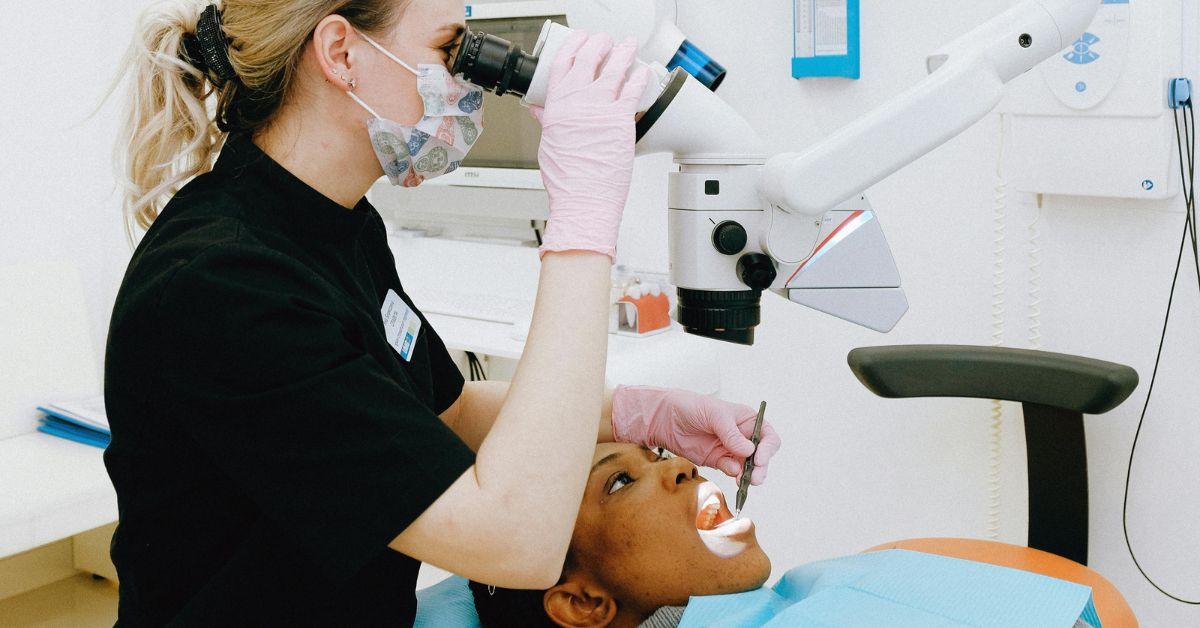
Root canal treatment is one of the most talked-about dental procedures and also one of the most misunderstood. Many people feel anxious when they hear those three words, often picturing something far more uncomfortable than the procedure actually is.
In reality, root canal treatment in Lower Hutt is a routine dental procedure that dentists perform regularly to relieve pain, not cause it.
If you have been told you may need this treatment, or if you are simply curious about what it involves, this guide will walk you through everything you need to know. Understanding the process can help ease any worries and allow you to make informed decisions about your oral health.
What Is Root Canal Treatment?
Root canal treatment, also known as endodontic treatment, is a procedure designed to treat infection or damage inside a tooth. At the centre of every tooth is a soft tissue called the pulp. This pulp contains nerves, blood vessels, and connective tissue.
When the pulp becomes infected or inflamed due to deep decay, a crack, or repeated dental work on the same tooth it can cause significant pain and may spread infection to surrounding tissues. Root canal treatment in Lower Hutt removes the damaged pulp, cleans the inside of the tooth, and seals it to prevent further infection.
Rather than extracting the tooth, this treatment aims to save it. Keeping your natural tooth is almost always the preferred outcome, as it helps maintain proper chewing function, prevents shifting of surrounding teeth, and supports long-term oral health.
What Are the Signs You Might Need Root Canal Treatment?
Not every case of tooth pain means you need a root canal. However, there are some common signs that suggest the pulp inside a tooth may be affected:
- Persistent toothache, especially when chewing or applying pressure
- Prolonged sensitivity to hot or cold temperatures, even after the source is removed
- Darkening or discolouration of the tooth
- Swelling or tenderness in the nearby gums
- A recurring pimple-like bump on the gums
These symptoms do not automatically confirm the need for treatment. A dentist will examine your tooth, take X-rays, and assess your overall oral health before recommending any procedure. Treatment recommendations are always based on individual clinical findings.
How Does the Procedure Work? A Step-by-Step Overview
Root canal treatment is typically completed over one to two appointments, depending on the complexity of the case. Here is what the process generally involves:
Step 1: Examination and X-Rays
Your dentist will first take digital X-rays to assess the extent of the infection and examine the shape of the root canals. This helps them plan the procedure carefully and identify any complications before they begin.
Step 2: Local Anaesthesia
Before any work begins, local anaesthesia is applied to numb the area around the affected tooth. Most patients report that the procedure itself is not painful; the discomfort they may have experienced before treatment is often far greater than anything felt during it.
Step 3: Placing a Rubber Dam
A small sheet of rubber, known as a rubber dam, is placed around the tooth. This keeps the area clean and dry throughout the procedure and prevents saliva from contaminating the treatment site.
Step 4: Removing the Pulp
Your dentist will create a small opening in the crown of the tooth to access the pulp chamber. Using fine instruments, they will carefully remove the infected or damaged pulp tissue from each root canal.
Step 5: Cleaning and Shaping the Canals
Once the pulp is removed, the root canals are carefully cleaned, shaped, and disinfected. Antibacterial solutions may be used to flush out any remaining bacteria. This step is important for reducing the risk of re-infection.
Step 6: Filling and Sealing
After the canals are clean, they are filled with a biocompatible material called gutta-percha. This rubber-like material seals the canals to prevent bacteria from re-entering. The opening in the tooth is then sealed with a temporary or permanent filling.
Step 7: Placing a Crown
In most cases, a tooth that has undergone root canal treatment will require a dental crown. Because the tooth no longer has its original pulp, it can become more brittle over time. A crown protects the treated tooth, restores its shape, and helps it function normally.

Does Root Canal Treatment Hurt?
This is one of the most common concerns patients have. With modern dental techniques and effective local anaesthesia, most people find root canal treatment to be no more uncomfortable than having a routine filling placed.
If you are looking for an experienced dentist in Lower Hutt, discussing any concerns beforehand can help you feel more at ease.
You may experience some mild soreness for a few days after the procedure, which is a normal response as the surrounding tissues heal.
Over-the-counter pain relief is usually sufficient, though treatment outcomes vary depending on individual circumstances and the extent of the infection.
How Long Does the Treated Tooth Last?
A tooth that has been treated with root canal therapy and protected with a crown can function well for many years with proper care. Long-term success depends on several factors, including:
- Good oral hygiene habits at home
- Regular dental check-ups and cleans
- Avoiding habits that may place excessive pressure on the tooth, such as teeth grinding
Your dentist will discuss ongoing care with you after treatment. Like any dental procedure, outcomes vary from person to person, and individual follow-up is important.
Frequently Asked Questions
Is root canal treatment the same as a tooth extraction?
No. Root canal treatment is designed to save the natural tooth, whereas an extraction involves removing it entirely. In most cases, preserving the natural tooth is the preferred option, as it maintains the integrity of your bite and prevents surrounding teeth from shifting. Extractions may be recommended in situations where the tooth cannot be saved, but this will always be discussed with you based on your individual assessment.
How many appointments will I need?
Most root canal procedures are completed in one to two appointments. Simpler cases may be finished in a single visit, while more complex infections or multi-rooted teeth may require an additional appointment to ensure thorough cleaning and healing. Your dentist will give you a clearer timeline after your initial examination.
Can I eat normally after root canal treatment?
It is generally advisable to avoid eating on the treated side until the final crown is placed and any post-treatment sensitivity has settled. Your dentist will provide specific guidance on what to eat and any temporary restrictions that apply to your situation.
What happens if I do not get root canal treatment when it is recommended?
If an infected tooth is left untreated, the infection can spread to surrounding teeth and bone tissue. In some cases, this may lead to the need for tooth extraction or more extensive treatment. If your dentist has recommended root canal therapy, it is worth having a full discussion with them about your options so you can make an informed choice.
Conclusion
Understanding how root canal treatment works can help remove much of the fear surrounding this common procedure. Far from something to dread, it is a well-established way to relieve pain, address infection, and preserve your natural tooth for the long term.
If you have concerns about tooth pain or have been advised that you may need endodontic treatment, speaking with a dental professional is always the best first step.
The team at Wainui Dental is available to answer your questions, assess your situation, and help you explore the care options that are right for you. A personalised treatment plan can be discussed during your consultation.
Sources:
- https://www.betterhealth.vic.gov.au/health/conditionsandtreatments/root-canal-treatment
- https://www.healthdirect.gov.au/root-canal-treatment
- https://pmc.ncbi.nlm.nih.gov/articles/PMC9836173/
- https://www.nhs.uk/tests-and-treatments/root-canal-treatment/

Wainui Dental Clinic has been caring for smiles across the Lower Hutt community with a commitment to quality and personalised treatment. From general dentistry to oral surgery, our dentist in Lower Hutt team uses modern technology to deliver comfortable, patient-centred care. We are passionate about ongoing professional development to ensure every patient receives the best dental experience possible.