
Many people feel anxious when their dentist mentions root canal treatment in Lower Hutt. You may have heard it is a painful procedure, or perhaps you are simply unsure what the process involves.
Root canal treatment is a recognised dental procedure and understanding what to expect may help ease some of that uncertainty.
This guide walks you through each stage of root canal treatment, explains why it is sometimes necessary, and answers common patient questions.
At a Glance: Root Canal Treatment in Lower Hutt
- Root canal treatment removes infected or damaged pulp from inside a tooth, aiming to preserve the natural tooth rather than extracting it.
- It is carried out under local anaesthetic, so the tooth and surrounding area are numbed before the procedure begins.
- Treatment may require one or two appointments, depending on the severity of the infection.
- Some tenderness after the procedure is common and typically settles within a few days.
- Treatment outcomes vary; your dentist will discuss what to expect in your individual case.
What Is Root Canal Treatment?
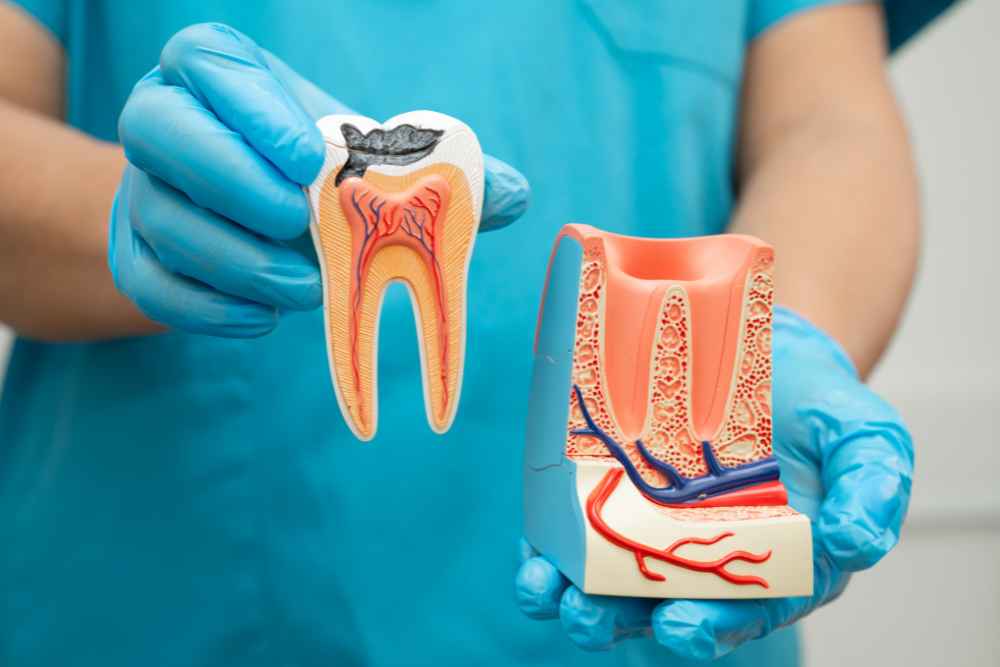
Root canal treatment is a dental procedure that removes infected, damaged, or dead pulp tissue from inside a tooth. The pulp is the soft tissue at the centre of the tooth; it contains nerves and blood vessels and sits within a space called the root canal.
When the pulp becomes severely infected or damaged, it can no longer heal on its own. Left untreated, the infection may spread and could eventually lead to loss of the tooth. Root canal treatment in Lower Hutt aims to remove the source of infection, clean the canals, and seal the tooth to protect it going forward.
The basic tooth structure explains the procedure:
- Enamel – the hard outer surface of the tooth.
- Dentine – the layer beneath enamel that forms the core shape.
- Pulp – the central tissue containing nerves and blood vessels, sitting within the root canals.
Why Might You Need Root Canal Treatment?
Root canal treatment becomes necessary when the pulp inside a tooth is significantly infected or damaged. There are several reasons this can occur.
Tooth decay is one of the more frequent causes. If left untreated, decay progresses through enamel and dentine until it reaches the pulp chamber, causing infection.
Cracks or fractures in a tooth can allow bacteria to enter and affect the pulp, even if the tooth appeared healthy before the crack developed.
Dental trauma such as a knock or impact can damage or disrupt the pulp, sometimes without any visible external injury.
Severe gum disease may cause the gum to pull away from the tooth, creating pockets where bacteria accumulate. In some cases, this leads to pulp infection.
Common signs that your pulp may be affected include:
- Persistent toothache or pain when biting
- Sensitivity to hot or cold that lingers after the source is removed
- Swelling in the gum near the affected tooth
- A spot on the gum that may suggest an abscess
Some patients experience few symptoms even when the pulp is seriously affected. Only a dentist can confirm whether treatment is needed, following an examination and x-ray.
What Happens During Root Canal Treatment?
Root canal treatment in Lower Hutt generally follows a structured process, though specific steps vary by individual case.
Step 1: Examination and X-Ray
Your dentist examines the affected tooth and takes an x-ray to assess the root structure, the extent of infection, and whether an abscess is present.
Step 2: Local Anaesthetic
A local anaesthetic numbs the tooth and surrounding tissue before treatment begins. Many patients report the procedure feels similar to having a dental filling placed.
Step 3: Accessing and Cleaning the Canals
The dentist creates a small opening to access the pulp chamber, removes the infected pulp, then cleans, shapes, and washes the canals to clear bacteria and debris.
Step 4: Medication and Temporary Filling (If Needed)
Where infection is more significant, the dentist places antibacterial medication inside the tooth and seals it with a temporary filling, allowing it time to settle before a second appointment. For less severe cases, treatment may be completed in a single visit.
Step 5: Sealing the Tooth
At the second appointment, the temporary filling is removed and the canals are filled with gutta-percha, a biocompatible material that seals them against reinfection. An x-ray confirms the fill, and a long-term filling is placed. A crown may be recommended to protect the tooth, particularly for back teeth.
What to Expect After Treatment
After root canal treatment, some tenderness in the treated tooth and surrounding gum is common for a few days. This often settles within a few days, though individual recovery can vary. Over-the-counter pain relief, taken as directed, may help your dentist in Lower Hutt can advise on what suits your situation.
Many patients are able to return to their usual activities the same day, though it is advisable to avoid chewing hard food on the treated tooth until the final restoration is in place. Good oral hygiene and regular check-ups support the long-term health of the tooth.

Frequently Asked Questions
Is root canal treatment painful?
Root canal treatment is performed under local anaesthetic, which numbs the tooth and surrounding area first. Many patients find the procedure causes little discomfort and feels similar to a filling. Some tenderness afterwards is normal and usually settles within a few days.
How do I know if I need root canal treatment?
Common signs include persistent toothache, temperature sensitivity that lingers, swelling near a tooth, or a spot on the gum suggesting an abscess. These symptoms can have other causes, so only a dentist can confirm whether root canal treatment is needed following an examination and x-ray.
Will I need a crown after root canal treatment?
Your dentist may recommend one, particularly for back teeth. A crown may help protect the tooth following treatment. Whether one is appropriate depends on the individual tooth and the extent of existing damage.
Can a treated tooth get infected again?
Reinfection is possible if the seal is compromised, new decay develops, or the tooth cracks. Regular dental check-ups allow your dentist to monitor the tooth over time and identify any concerns early.
Is root canal treatment better than extraction?
Both are recognised approaches for managing a badly infected tooth. Root canal treatment aims to retain your natural tooth, while extraction removes it. The most suitable option depends on your individual circumstances. Your dentist will help you understand both options.
Conclusion
Root canal treatment is a recognised dental procedure that aims to address infection inside a tooth and preserve natural tooth structure where possible. While the name may sound daunting, the procedure is carried out under local anaesthetic, and some patients find it more straightforward than anticipated.
If you are experiencing tooth pain or have been advised that root canal treatment may be needed, the most important step is to have the tooth assessed promptly. At Wainui Dental in Lower Hutt, the team aims to keep patients informed at every stage.
Sources:
- NHS (UK National Health Service). Root canal treatment. Covers why root canal treatment may be needed, local anaesthetic, X-rays, cleaning and sealing the tooth, temporary fillings, crowns and recovery. Available at: https://www.nhs.uk/tests-and-treatments/root-canal-treatment/
- American Association of Endodontists (AAE). Root Canal Treatment. Explains why root canal treatment is performed, removal of infected pulp, cleaning and disinfecting the canals, and sealing the tooth to help prevent reinfection. Available at: https://www.aae.org/patients/root-canal-treatment/
- American Association of Endodontists (AAE). What Is a Root Canal? Provides step-by-step patient information about root canal treatment, symptoms, local anaesthesia, appointments and recovery. Available at: https://www.aae.org/patients/root-canal-treatment/what-is-a-root-canal/
- Mayo Clinic. Root Canal Treatment. Covers the causes of pulp damage, X-rays, local anaesthetic, removal and cleaning of infected pulp, temporary fillings, permanent restoration and post-treatment sensitivity. Available at: https://www.mayoclinic.org/diseases-conditions/tooth-abscess/in-depth/root-canal/art-20585454

Wainui Dental Clinic has been caring for smiles across the Lower Hutt community with a commitment to quality and personalised treatment. From general dentistry to oral surgery, our dentist in Lower Hutt team uses modern technology to deliver comfortable, patient-centred care. We are passionate about ongoing professional development to ensure every patient receives the best dental experience possible.