
If you’ve ever been told you have a cavity, you’ve probably heard the word “filling” but did you know there are several different types? Understanding your options can help you feel more informed and confident when discussing treatment with your dentist.
Whether you’re dealing with a new cavity or an old restoration that needs attention, knowing what dental fillings are available is a helpful first step.
In Lower Hutt and across New Zealand, dental fillings remain one of the most commonly performed restorative treatments. This guide explains the different types, what each one involves, and how to know which option your dentist may recommend for your situation.
At a Glance
- Dental fillings are used to restore teeth affected by decay or damage.
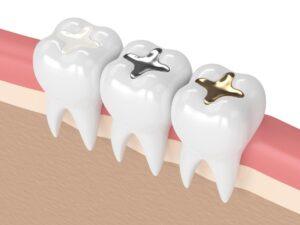
- The most common types include composite (tooth-coloured), amalgam (silver), glass ionomer, ceramic, and gold fillings.
- Composite resin is among the most commonly used filling materials in general dental practice in New Zealand.
- The most suitable filling type depends on the location of the tooth, the size of the cavity, and your individual circumstances.
- Early treatment of decay can help avoid the need for more involved restorative care later.
- Work and Income (WINZ) may be able to assist eligible patients with the cost of immediate and essential dental treatment contact WINZ directly to check your eligibility.
What Is a Dental Filling?
A dental filling is a restorative material used to repair a tooth that has been damaged by decay or physical trauma. When a tooth develops a cavity in a small hole caused by bacterial acid breaking down the enamel the decayed area is removed and the space is filled with a suitable material to restore the tooth’s shape and function.
In 2026, dental fillings in Lower Hutt and across New Zealand have advanced considerably, offering patients a range of options that differ in appearance, durability, and clinical suitability. Your dentist will assess the tooth and discuss which material is most appropriate for your individual needs.
What Are the Main Types of Dental Fillings in Lower Hutt?
The main types of dental fillings available in New Zealand include composite resin, amalgam, glass ionomer, ceramic, and gold. Each material has distinct properties that make it more or less suitable depending on the tooth’s location, the size of the cavity, and the patient’s individual circumstances.
Composite Resin (Tooth-Coloured Fillings)
Composite resin is a tooth-coloured material made from a mixture of plastic and fine glass particles, colour-matched to blend naturally with surrounding teeth. Composite fillings bond directly to the tooth structure, meaning less natural tooth material typically needs to be removed.
They are completed in a single visit and are widely used in general dental practice across New Zealand. Their longevity is influenced by the size of the restoration, its location, and how well the tooth is maintained over time.
Amalgam (Silver Fillings)
Amalgam was widely used as a filling material in dentistry for many decades. It is less commonly placed today due to the availability of tooth-coloured alternatives and growing environmental considerations around mercury. Decisions about replacing existing amalgam should always be guided by clinical need rather than cosmetic preference alone.
Glass Ionomer Fillings
Glass ionomer is often used where the filling is under lower biting force such as on baby teeth, near the gum line, or as a temporary restoration. It releases fluoride over time, which may offer some additional support to the surrounding tooth structure, though it is generally less durable than composite resin for high-load areas.
Ceramic (Porcelain) Fillings Inlays and Onlays
Ceramic restorations are custom-made to fit the prepared tooth precisely, offering a tooth-coloured appearance and are generally considered a durable option for larger restorations. They are generally recommended for larger areas of decay where a standard filling may not be the most clinically appropriate option, and are usually completed over two appointments.
Gold Fillings
Gold restorations have been used in dentistry for many decades and are generally considered durable and biocompatible, though they are the most visible of all filling materials and are not the most commonly requested option in modern dental practice.
How Do Dentists Decide Which Type of Filling to Use?
The choice of filling material depends on several clinical and patient-specific factors, including the size and location of the cavity, the tooth’s function, any existing restorations, and your personal preferences. Your dentist in Lower Hutt will take all of these factors into account and explain all available options clearly before any treatment proceeds. A personalised treatment plan can be discussed during your consultation, so you feel fully informed at every stage.
What Happens During a Dental Filling Appointment?
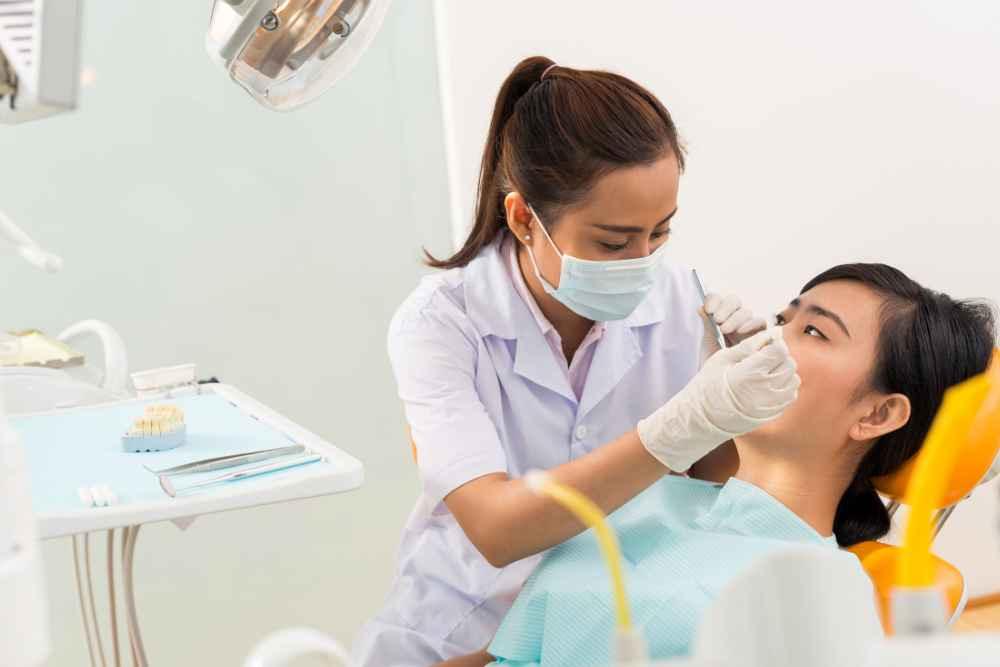
A dental filling appointment typically involves assessment of the affected tooth, removal of decay, and placement of the filling material usually within a single visit for composite fillings. Here is what you can generally expect:
- Assessment: Examination of the tooth, which may include X-rays to determine the extent of decay.
- Local anaesthetic: Administered to help minimise discomfort. Most patients find discomfort during the appointment is generally minimal.
- Decay removal: The decayed portion is removed to prepare a clean surface.
- Filling placement: The chosen material is applied, shaped, and set.
- Bite check: The restored tooth is checked for comfort.
- Aftercare guidance: Your dental team will explain how to care for your restoration at home.
How Long Do Dental Fillings Last?
The longevity of a filling varies depending on the material used, the size and location of the restoration, and how well the tooth is maintained. No dental filling material lasts indefinitely, and all restorations require monitoring at regular dental check-ups.
Good oral hygiene habits brushing twice daily, flossing regularly, limiting sugary foods, and attending routine appointments all support the longevity of your restoration.
Can Work and Income Help with the Cost of Dental Treatment?
Work and Income (WINZ) may be able to assist eligible New Zealanders with the cost of immediate and essential dental treatment. Here is what patients should be aware of:
- Eligible patients may be able to receive up to $1,000 towards immediate and essential dental treatment within any 52-week period.
- You do not have to be receiving a benefit to potentially qualify for eligibility depending on income, assets, residency, and the immediate and essential nature of treatment required.
- The scheme generally covers extractions, clinically necessary fillings, some root canal treatments (excluding molars), and treatment of dental infections.
- It generally does not cover routine check-ups, cosmetic treatment, orthodontics, dentures, or molar root canals.
- The dentist completes a Dental Treatment information form, which the patient uses when applying to Work and Income.
- Eligibility and approval are determined by Work and Income not by the dental clinic.
- In some cases, Work and Income may provide assistance above $1,000, though some of this may need to be repaid.
- Patients should contact Work and Income directly to confirm whether they personally qualify.
Please note: Eligibility is assessed and approved by Work and Income based on their own criteria. For accurate guidance, visit workandincome.govt.nz or call 0800 559 009 directly.
Frequently Asked Questions About Dental Fillings
Are tooth-coloured fillings as strong as silver amalgam fillings?
Composite resin offers good strength for most restorations, particularly small to medium-sized cavities. For larger areas or high biting-force zones, your dentist may discuss ceramic inlays or onlays as alternatives.
Will getting a dental filling be uncomfortable?
A local anaesthetic is used beforehand, so most patients find discomfort during the appointment is generally minimal. Let your dentist know if you feel anxious they can discuss ways to help you feel more at ease.
How do I know if I need a filling?
Common signs include sensitivity to hot, cold, or sweet foods, visible discolouration, an ongoing toothache, or a filling that feels loose. Some cavities cause no symptoms, which is why regular check-ups are important. Only a thorough assessment by a registered dentist can confirm the most appropriate treatment.
Can Work and Income help pay for dental fillings?
Eligible patients may be able to receive up to $1,000 towards clinically necessary treatment within a 52-week period. You do not need to be receiving a benefit to apply. Contact Work and Income directly to check your eligibility.
Considering Dental Fillings in Lower Hutt? Talk to Our Team
Understanding the different types of dental fillings can help you feel better prepared when discussing your options with your dentist. Whether you have a new cavity, an old restoration that needs review, or simply want to learn more, the right starting point is always a thorough assessment.
At Wainui Dental in Lower Hutt, the team takes time to explain your options clearly and tailor care to your individual circumstances. If you are concerned about tooth decay or a damaged tooth, we welcome you to book an appointment and speak with our team.
Sources:
- Work and Income New Zealand (WINZ). Dental treatment information about assistance for immediate and essential dental treatment, including fillings, eligibility and the $1,000 limit within a 52-week period. Available at: https://www.workandincome.govt.nz/eligibility/health-and-disability/dental-treatment.html
- World Health Organization (WHO). (2026). WHO guideline on environmentally friendly and less invasive oral health care for preventing and managing dental caries. Covers evidence-based approaches to dental caries and materials including glass ionomer cements and resin-based composites. Available at: https://www.who.int/publications/i/item/9789240116948
- American Dental Association (ADA). Materials for Direct Restorations. Provides information on amalgam, composite resin, glass ionomer and resin-modified glass ionomer materials, including their uses and characteristics. Available at: https://www.ada.org/resources/ada-library/oral-health-topics/materials-for-direct-restorations
- World Health Organization (WHO). (2022). Prevention and treatment of dental caries with mercury-free products and minimal intervention. Covers composite resin restorations, glass ionomer cement restorations and other approaches to treating dental caries. Available at: https://www.who.int/publications/i/item/9789240046184

Wainui Dental Clinic has been caring for smiles across the Lower Hutt community with a commitment to quality and personalised treatment. From general dentistry to oral surgery, our dentist in Lower Hutt team uses modern technology to deliver comfortable, patient-centred care. We are passionate about ongoing professional development to ensure every patient receives the best dental experience possible.